Collection: 3d Wall Art
3D wall art holds when the surface has height enough for light to travel—knife ridges and built paste, not a print of texture. These canvases are painted to order. Choose how much the skin should rise, then size the span. Browse below and send a wall width if you need a custom stretch.

-
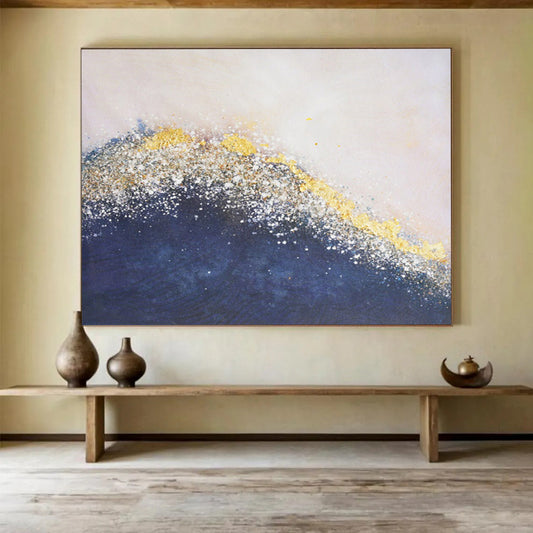
“Gilded Ocean Wave” - Navy, Gold & White Textured Abstract Painting On Canvas DLZ268
Regular price From $219.00 USDRegular priceUnit price per$395.00 USDSale price From $219.00 USDSale -
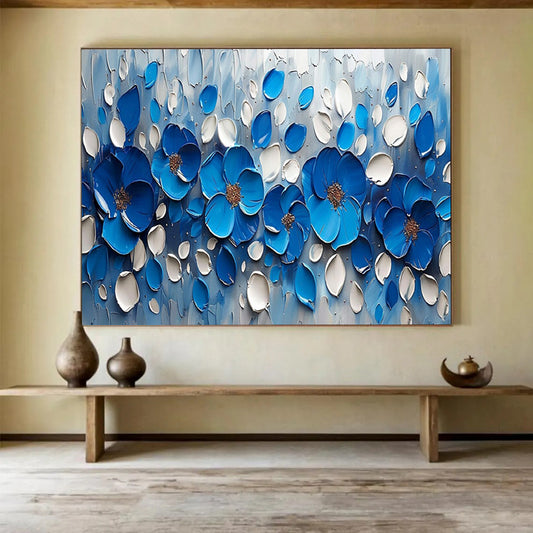
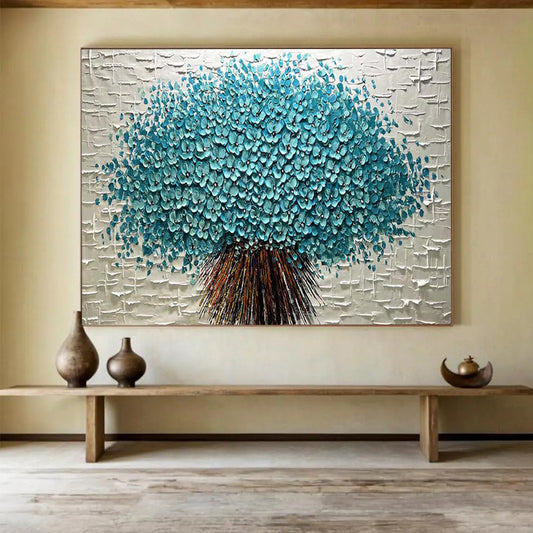
Blue and White Textured Flowers - 3D Botanical Painting On Canvas DLZ173
Regular price From $219.00 USDRegular priceUnit price per$395.00 USDSale price From $219.00 USDSale -
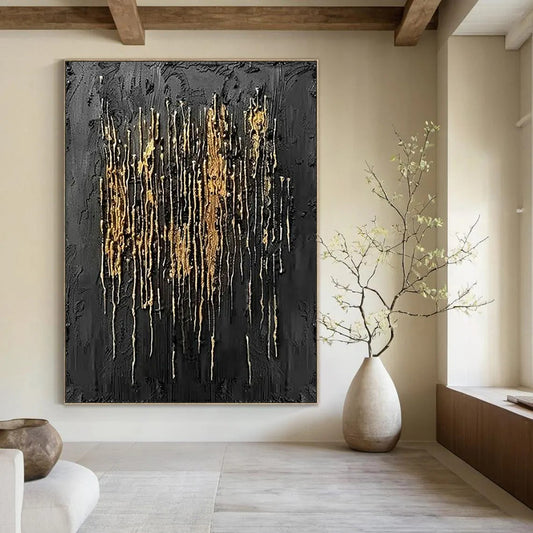
“Black & Gold Textured Abstract” - Abstract Painting On Canvas CT2358
Regular price From $219.00 USDRegular priceUnit price per$395.00 USDSale price From $219.00 USDSale -
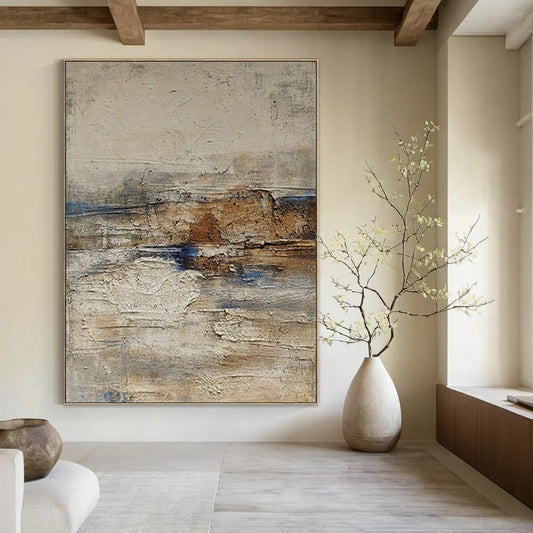
“Beige - Brown & Blue Textured Mix” – Abstract Mixed - Color Art CT0969
Regular price From $219.00 USDRegular priceUnit price per$395.00 USDSale price From $219.00 USDSale -
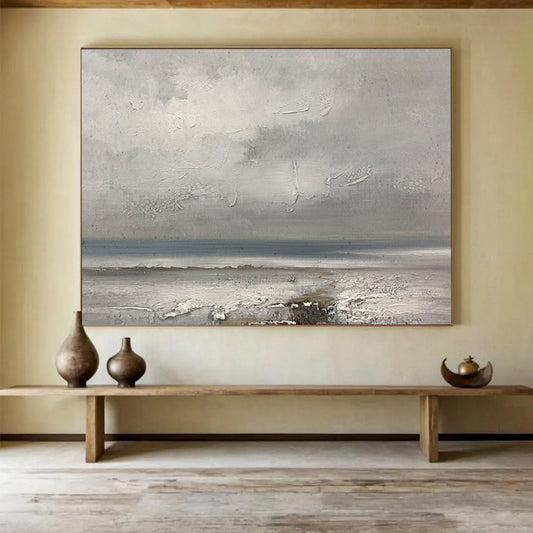
“Textured Gray Seaside” - Gray & Blue Impasto Coastal Painting On Canvas DLZ265
Regular price From $219.00 USDRegular priceUnit price per$395.00 USDSale price From $219.00 USDSale -
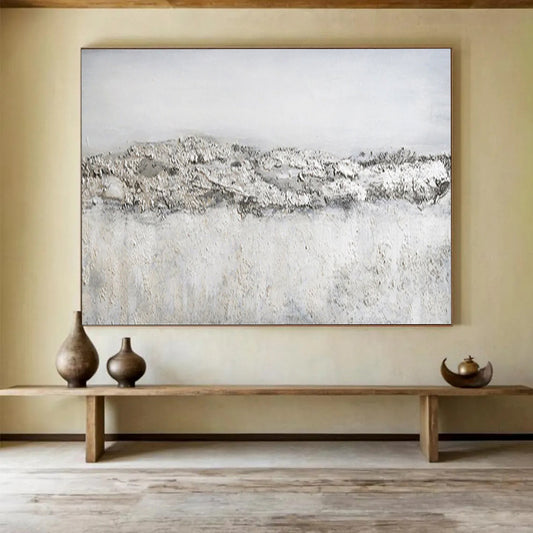
“Textured Gray Horizon” - Gray & White Minimalist Abstract Painting On Canvas DLZ260
Regular price From $219.00 USDRegular priceUnit price per$395.00 USDSale price From $219.00 USDSale -
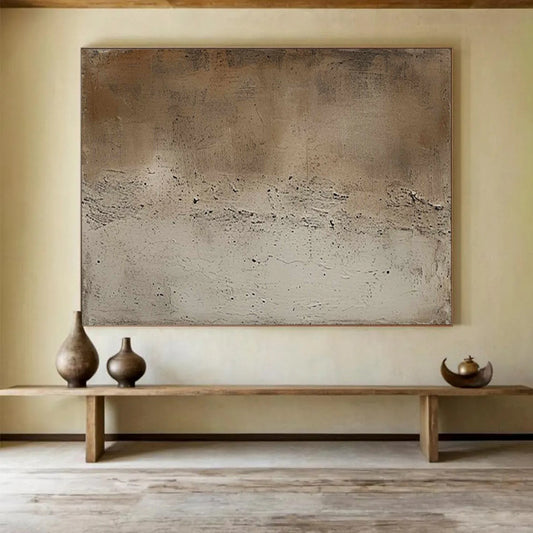
“Neutral Textured Calm” - Brown & Beige Minimalist Abstract Painting On Canvas DLZ255
Regular price From $219.00 USDRegular priceUnit price per$395.00 USDSale price From $219.00 USDSale -
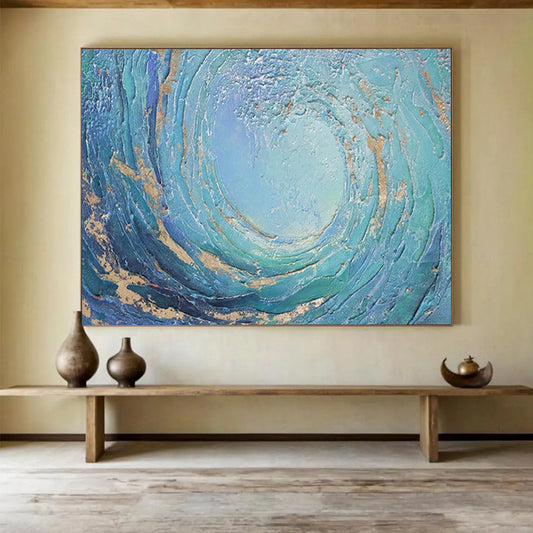
“Swirling Ocean Gold” - Blue, Teal & Gold Textured Wave Painting On Canvas DLZ254
Regular price From $219.00 USDRegular priceUnit price per$395.00 USDSale price From $219.00 USDSale -
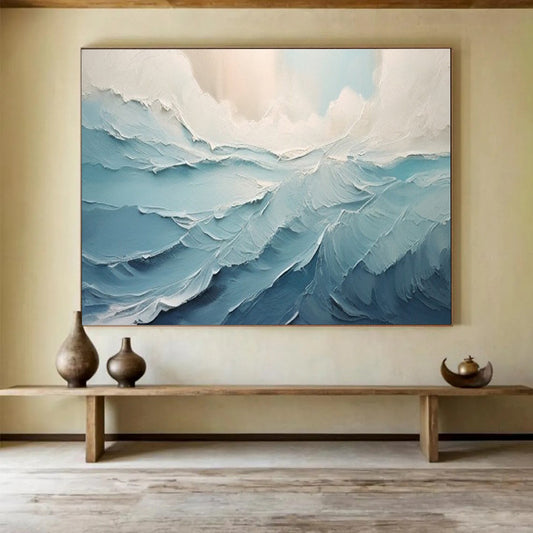
Textured Blue and White Waves - Impasto Seascape Painting On Canvas DLZ250
Regular price From $219.00 USDRegular priceUnit price per$395.00 USDSale price From $219.00 USDSale -
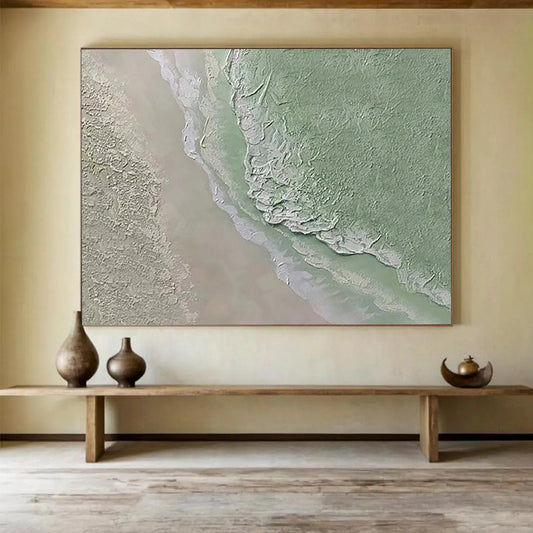
Green and Gray Textured Landscape - Abstract Landscape Painting On Canvas DLZ248
Regular price From $219.00 USDRegular priceUnit price per$395.00 USDSale price From $219.00 USDSale -
Blue and White Textured Waves - Impasto Seascape Painting On Canvas DLZ227
Regular price From $219.00 USDRegular priceUnit price per$395.00 USDSale price From $219.00 USDSale -
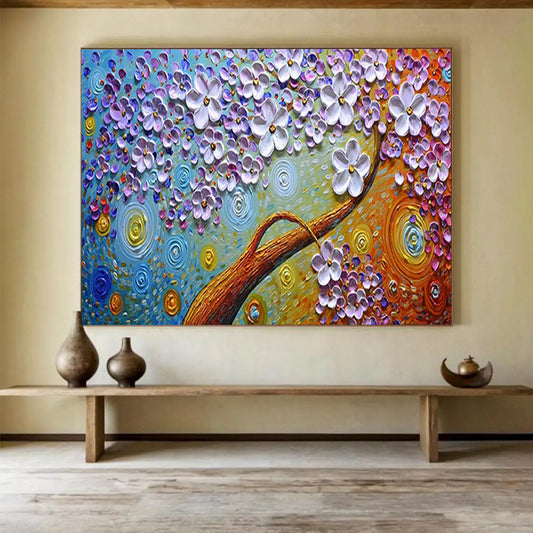
Textured Flower Tree with Swirls - Impasto Fantasy Painting On Canvas DLZ217
Regular price From $219.00 USDRegular priceUnit price per$395.00 USDSale price From $219.00 USDSale -
Textured Blue Flower Tree - Impasto Floral Painting On Canvas DLZ213
Regular price From $219.00 USDRegular priceUnit price per$395.00 USDSale price From $219.00 USDSale -
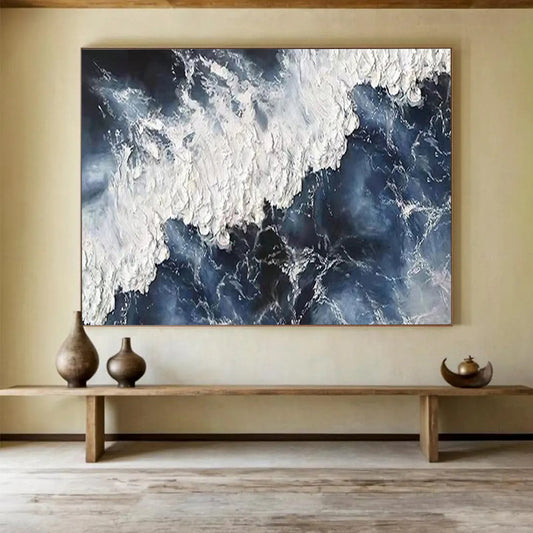
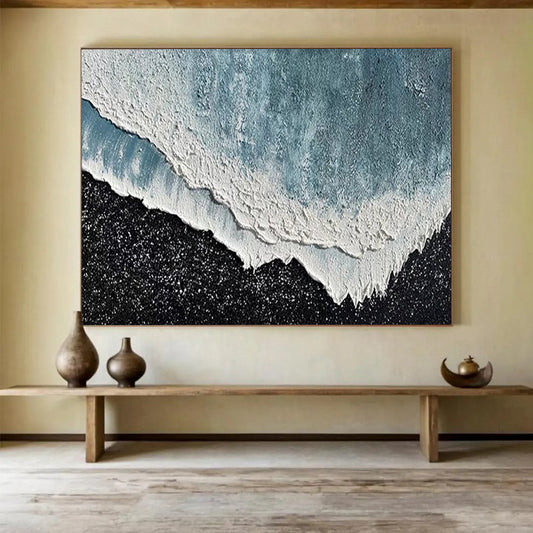
Textured Ocean Wave - Impasto Seascape Painting On Canvas DLZ207
Regular price From $219.00 USDRegular priceUnit price per$395.00 USDSale price From $219.00 USDSale -
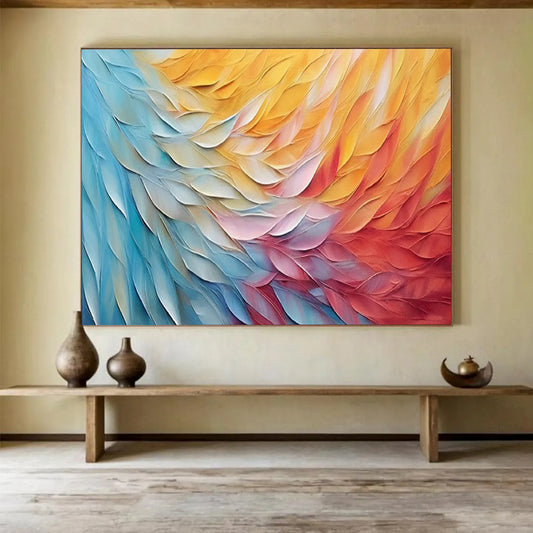
Colorful Feather - like Layers - Textured Abstract Painting On Canvas DLZ201
Regular price From $219.00 USDRegular priceUnit price per$395.00 USDSale price From $219.00 USDSale -
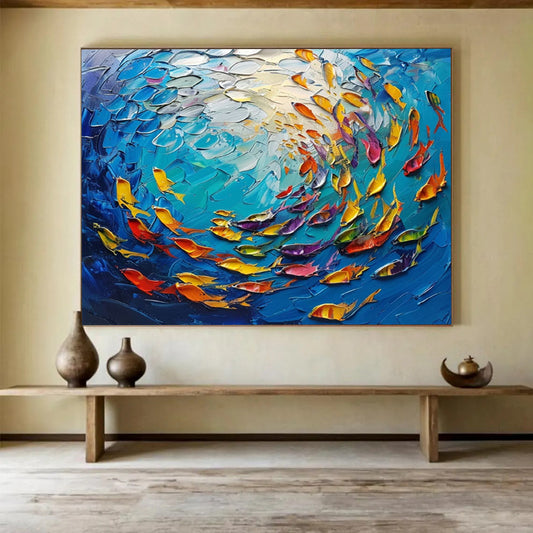
Textured Fish in Blue Sea - Impasto Marine Painting On Canvas DLZ199
Regular price From $219.00 USDRegular priceUnit price per$395.00 USDSale price From $219.00 USDSale