Collection: Hallway Wall Art
Hallway wall art is a walking-speed decision: one handmade stop at the far wall, or a short related run along the side—not a sofa canvas forced into a corridor. These pieces are painted to order as upright or compact planes. Measure the slot you actually walk through. Browse below and send a height if the terminating wall is not a standard size.
-
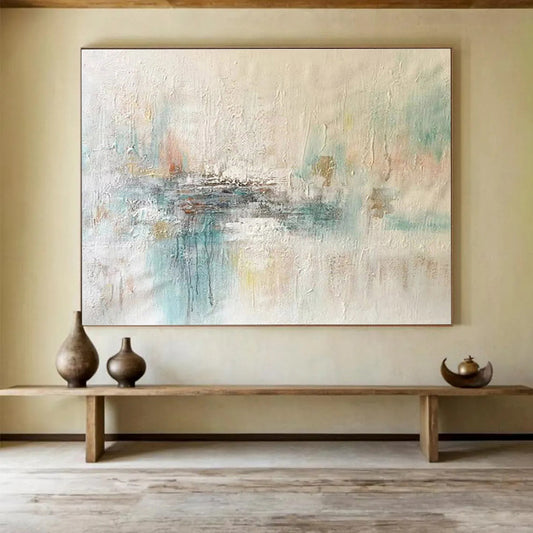
Soft Pastel Abstract Landscape Painting On Canvas DKH290
Regular price From $219.00 USDRegular priceUnit price / per$395.00 USDSale price From $219.00 USDSale -
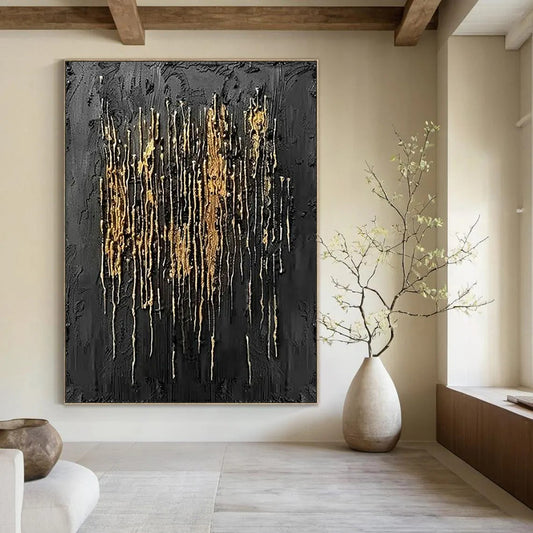
“Black & Gold Textured Abstract” - Abstract Painting On Canvas CT2358
Regular price From $219.00 USDRegular priceUnit price / per$395.00 USDSale price From $219.00 USDSale -
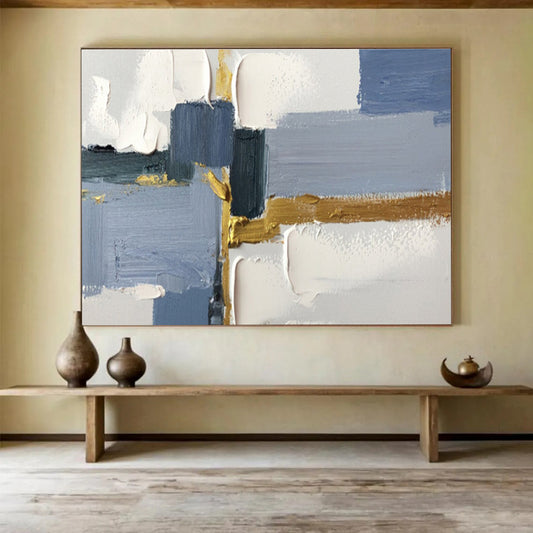
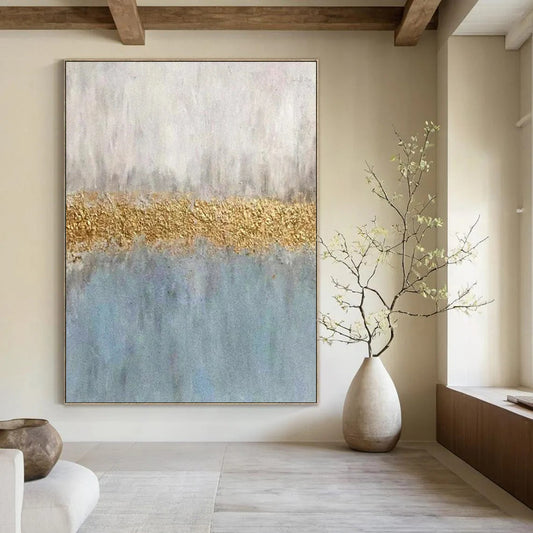
Blue & Gold Abstract Divide - Minimalist Abstract Painting On Canvas CT2289
Regular price From $219.00 USDRegular priceUnit price / per$395.00 USDSale price From $219.00 USDSale -
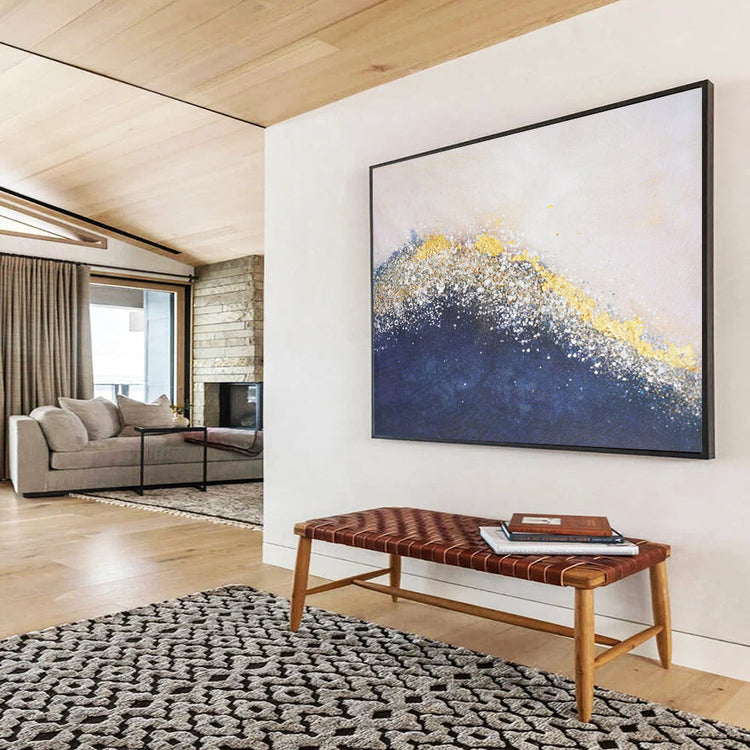
“Gilded Ocean Wave” - Navy, Gold & White Textured Abstract Painting On Canvas DLZ268
5.0 / 5.0
(1) 1 total reviews
Regular price From $219.00 USDRegular priceUnit price / per$395.00 USDSale price From $219.00 USDSale -
“Coastal Waves & Sands” - Turquoise, White & Beige Beach Scene Painting On Canvas DLZ252
5.0 / 5.0
(2) 2 total reviews
Regular price From $219.00 USDRegular priceUnit price / per$395.00 USDSale price From $219.00 USDSale -
“Wildflower Reverie” - Pastel - Hued Floral Impressionistic Painting On Canvas DKH693
Regular price From $219.00 USDRegular priceUnit price / per$395.00 USDSale price From $219.00 USDSale -
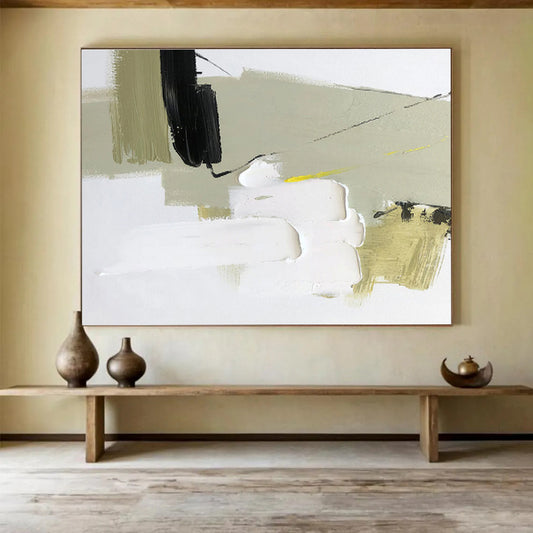
Muted Tones Abstract Landscape Painting On Canvas DKH319
Regular price From $219.00 USDRegular priceUnit price / per$395.00 USDSale price From $219.00 USDSale -
Layered Blue and Yellow Abstract Painting On Canvas DKH318
Regular price From $219.00 USDRegular priceUnit price / per$395.00 USDSale price From $219.00 USDSale -
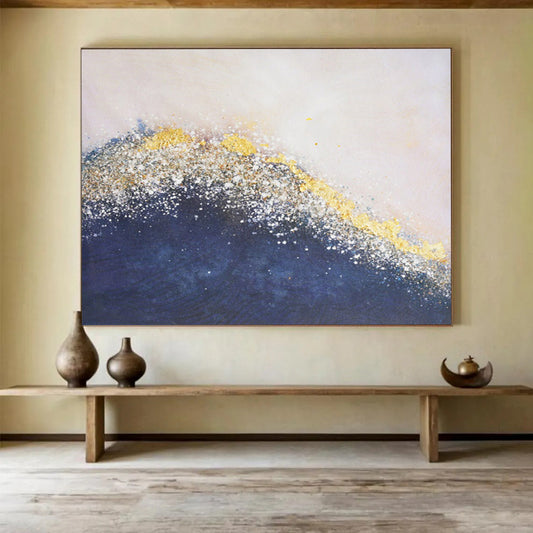
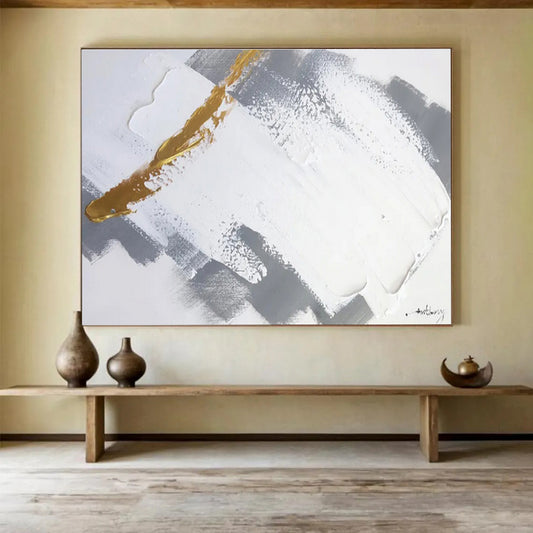
Gold Accent Gray and White Abstract Painting On Canvas DKH317
Regular price From $219.00 USDRegular priceUnit price / per$395.00 USDSale price From $219.00 USDSale -
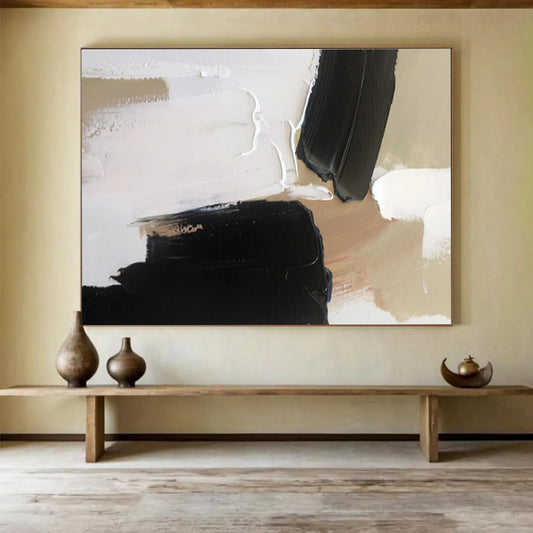
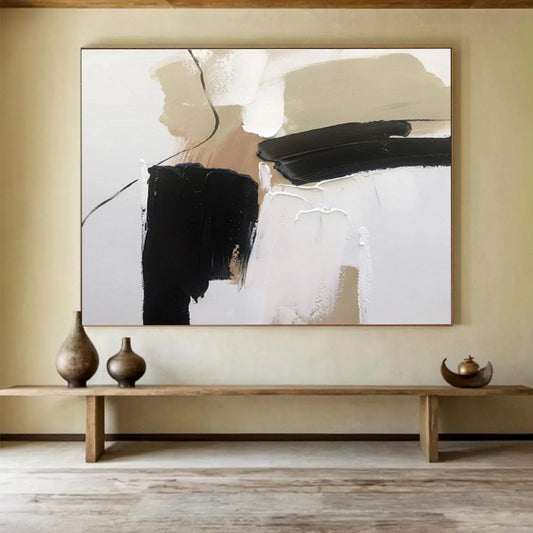
Bold Black and Beige Abstract Painting On Canvas DKH316
Regular price From $219.00 USDRegular priceUnit price / per$395.00 USDSale price From $219.00 USDSale -
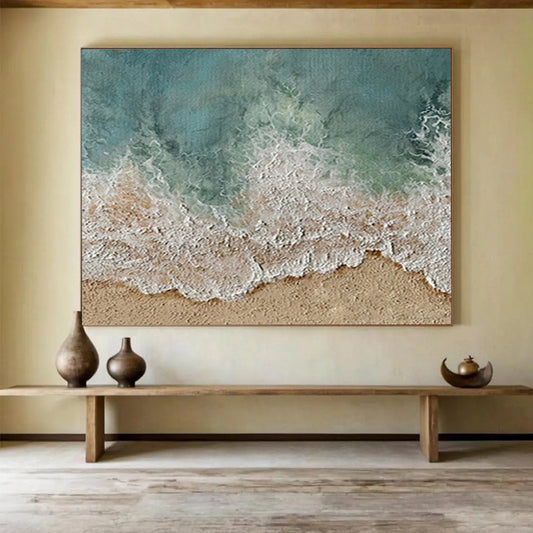
Contrasting Black and Beige Abstract Painting On Canvas DKH315
Regular price From $219.00 USDRegular priceUnit price / per$395.00 USDSale price From $219.00 USDSale -
Subtle Color Accent Abstract Painting On Canvas DKH314
Regular price From $219.00 USDRegular priceUnit price / per$395.00 USDSale price From $219.00 USDSale -
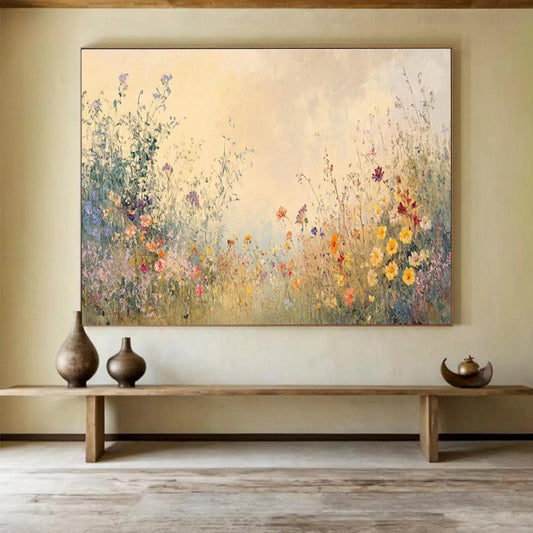
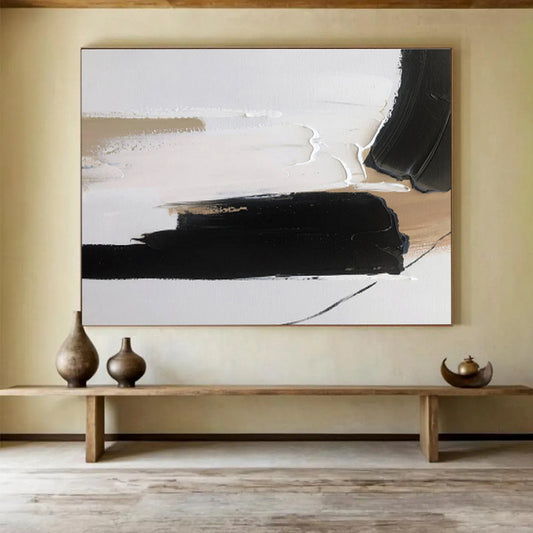
Minimalist Black and Beige Abstract Painting On Canvas DKH313
Regular price From $219.00 USDRegular priceUnit price / per$395.00 USDSale price From $219.00 USDSale -
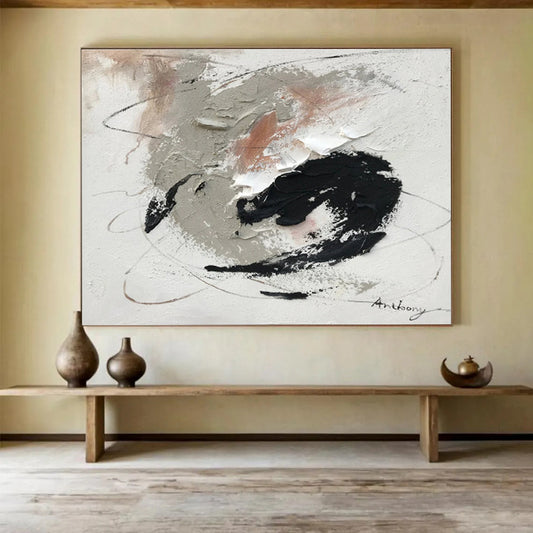
Textured Gray and Black Abstract Painting On Canvas DKH312
Regular price From $219.00 USDRegular priceUnit price / per$395.00 USDSale price From $219.00 USDSale -
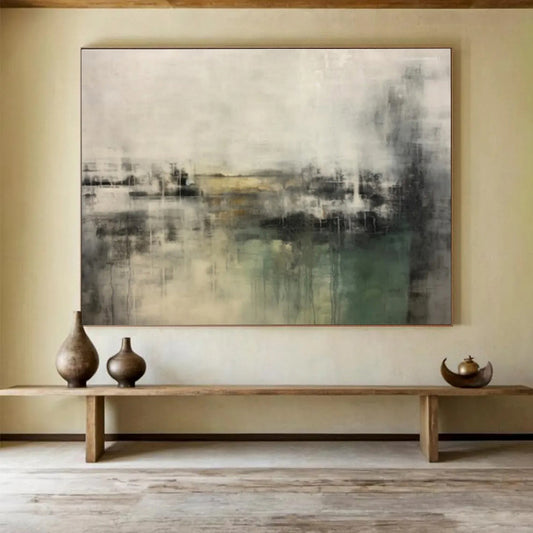
Geometric Blue and Gold Abstract Painting On Canvas DKH311
Regular price From $219.00 USDRegular priceUnit price / per$395.00 USDSale price From $219.00 USDSale -
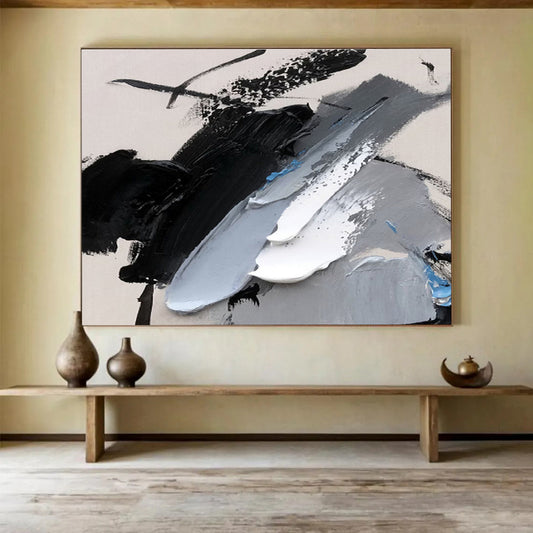
Bold Black and Gray Abstract Painting On Canvas DKH310
Regular price From $219.00 USDRegular priceUnit price / per$395.00 USDSale price From $219.00 USDSale
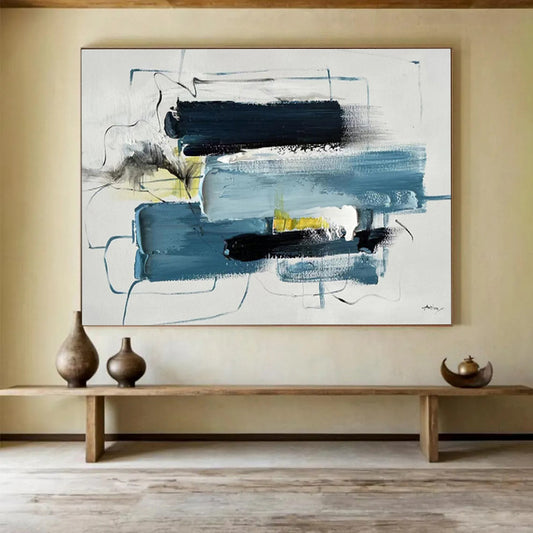
How to Choose Hallway Wall Art You Only See While Walking
A hallway is not a narrow living room. Nobody sits in it. You pass it in a few seconds, or you see it as a slot from the door. Hallway wall art has to work at walking speed: a stop at the far end, or a quiet beat along the side. A wide sofa canvas forced into a 36-inch corridor is not a statement. It is an obstacle.
Hallway Wall Art should mean hand-painted canvas for that slot—an upright plane, a compact field, a short run of related marks. The live grid also offers beach sand, gilded waves, and wildflower reverie. Those are other rooms wearing a corridor tag. Ignore the second scene in the title. Choose the object that can survive a glance.
A narrow wall already has a format
East Asian rooms solved the narrow plane before modern corridors existed. A kakemono is a hanging scroll: one image, vertical, meant for an alcove rather than a sofa span. It is looked at, then the room continues. The Met’s essay on painting formats in East Asian art is the useful reminder that format is not decoration. A scroll, a screen, a handscroll each assume a different body. A corridor assumes a body in motion and a wall that is taller than it is wide. A horizontal seascape fights that architecture.
Museums use the same logic at public scale. The National Gallery of Art’s campus note describes the concourse under 4th Street, where Leo Villareal’s Multiverse turns a tunnel into a paced field of light. You are not installing a light piece. You are stealing the lesson. A passage can be finished by sequence and by a terminus. It is rarely finished by one extra-wide picture that asks you to stop in a coat corridor.
A working split:
- Terminus: one vertical or square on the far wall, seen from the door.
- Side beat: two or three related planes, same height, small gaps, one climate.
- Stair landing: a pause, not a corridor. Measure that square separately.
- Sofa leftover: navy-and-gold waves, a named beach, a bouquet. Wrong width, wrong duration.
Measure the slot you walk through
Stand in the doorway that starts the hall. Photograph the tunnel with the light you actually get—usually one overhead and a spill from the next room. Measure the clear width, including what a shoulder needs. Measure the length to the terminating wall. Measure the height of the long side above the radiator, bench, or dado.
If the passage is narrow, keep projection low. High plaster peaks belong on a landing, not where coats swing. A canvas wider than the clear wall is a dining-room leftover. Vertical and square formats fit the architecture. A run of two or three related pieces can occupy a long side if they share temperature and hang on one centerline. Bottoms aligned. Gaps even. Mixed leftovers from the living-room grid will look like storage.
Light in a hall is a tube. The far canvas catches whatever spills from the next room. The side wall gets a strip of ceiling glare. Mid values and a quieter sheen keep the tunnel from flickering as you walk. Pale glossy fields strobe. A small black-and-gold square can look like a hole punched in the plaster unless it is large enough to read as a stop.
Color should be a transition, not a second kitchen. The hall connects rooms that already have climates. A quiet gray-blue divide or a clay field lets you leave one room and enter another. A turquoise beach in between them is an argument. Gold on a crest will flare under a cheap overhead and then go dead in the shadow. Ask for metal as a note, or leave it off this wall.
Sequence is the hallway-specific tool. Three modest canvases in one language read as architecture. One oversized “passage transformation” reads as a shop. If you cannot commission a run, put one good plane at the terminus and leave the long side alone. A mirror may be the more honest object beside the coat hooks. Do not force art onto the only pier that needs a face check.
Handmade marks at walking speed
Printed corridor art dies immediately. You never stand long enough for a photograph of texture to matter. Hand-painted ridges catch the moving light from the next doorway. That is the only reason to pay for paint in a hall. Look for angled close shots, oil or acrylic on canvas, painted to order. Keep the skin low enough that a bag does not catch it. Approve photos before it ships. Custom height exists so a vertical canvas occupies the terminating wall instead of floating under the cornice.
A short buying order
- Photograph the hall from the door that starts it.
- Decide terminus stop or side-wall beat.
- Measure clear width so the canvas does not become furniture.
- Choose vertical, square, or a short related run—not a sofa-width field.
- Keep chroma quieter than the rooms it connects.
- Review photos of the finished surface before it ships.
Hallway wall art is a walking-speed decision. One handmade stop at the end of the vista finishes the house. A mural that wants you to halt in a coat corridor does not.
Should I hang one canvas or a series in a hallway?
If you can see a far wall from the door, one plane at that terminus is usually enough. Use a series only on a long side, same height, small gaps, one climate. Mixed beach and floral leftovers will look like storage.
Can a wide living-room canvas work in a hall if I like it?
Rarely. Width belongs to a sofa. A hall wants height or a compact square. A wide canvas in a narrow passage feels like a barrier.
Where should art go on a stair wall?
Treat the landing as a pause and the flight as a slope. One canvas on the landing square is cleaner than pictures marching up the stringer, unless that run was planned as one sequence.
Will textured art get hit in a hallway?
Yes, if the peaks project into the walking line. Keep relief low on the long sides. Save thicker plaster for a landing or the terminating wall.
What if the hall is dark?
Choose mid values, not pale gloss and not a small black hole. A slightly lighter field at the far end helps the view from the door. A quiet picture light on the terminus is enough if the overhead strip is the only lamp.
Can I order a custom height for the wall at the end of the hall?
Yes. Send that wall’s height and width, plus a photo taken from the front door. Keep the same quiet language as the listing, and approve images of the finished surface before shipping.