Collection: Ocean Painting
An ocean painting holds when the sea is weather—haze, a beige horizon, one crest—not a pier postcard. These canvases are painted to order: impasto chop, gray water, gold only as a glint. Check the window before you add another sunset. Browse below and send a wall width if the horizon needs a custom span.

-
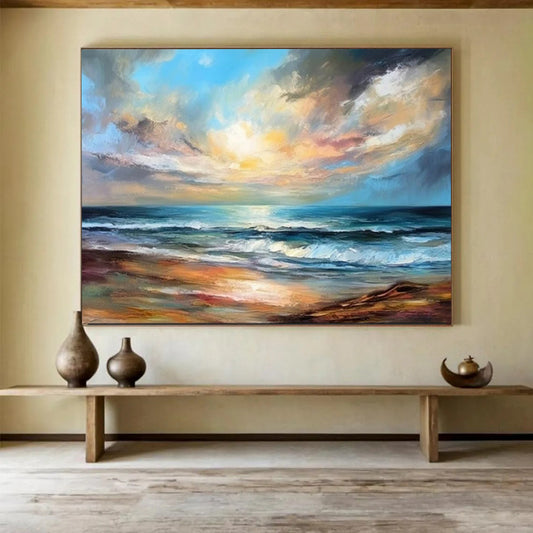
“Realistic Seaside Sunset II” - Blue, orange, yellow, purple; detailed sunset beach scene (twin piece) CT1594
Regular price From $219.00 USDRegular priceUnit price per$395.00 USDSale price From $219.00 USDSale -
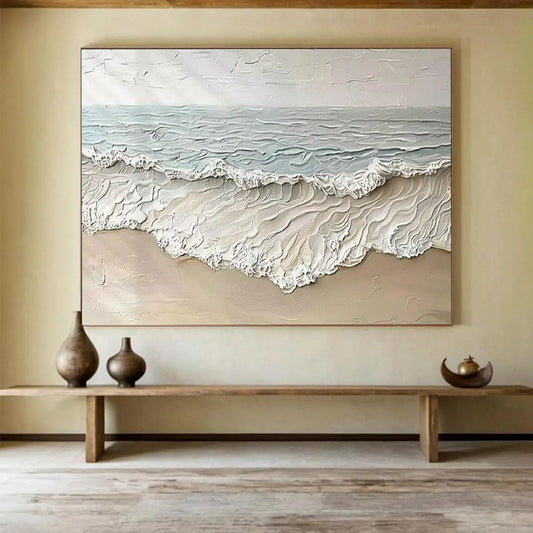
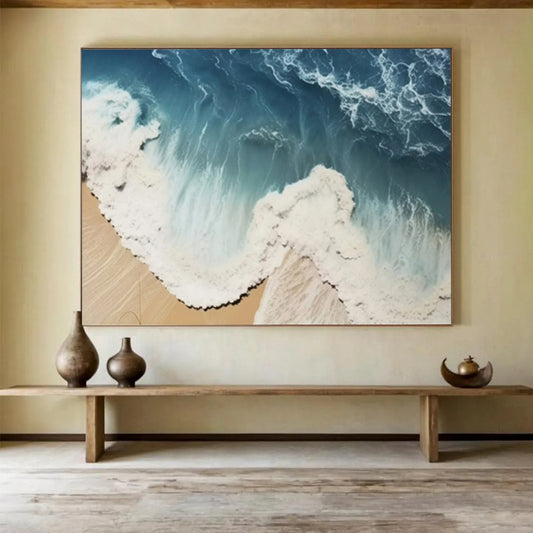
“Textured Beach Waves” - Beige, blue, white; thick, 3D - like beach scene CT1581
Regular price From $219.00 USDRegular priceUnit price per$395.00 USDSale price From $219.00 USDSale -
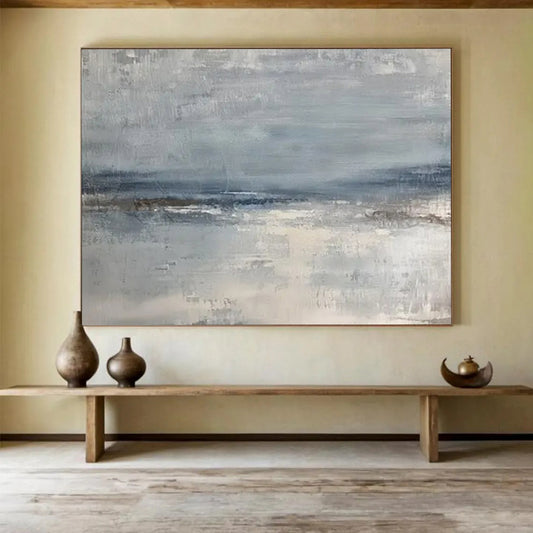
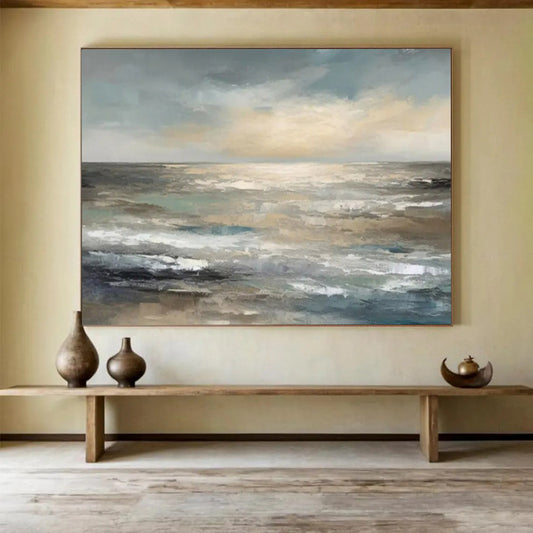
“Gray Sea Haze” - Gray, blue; soft, indistinct coastal scene CT1578
Regular price From $219.00 USDRegular priceUnit price per$395.00 USDSale price From $219.00 USDSale -
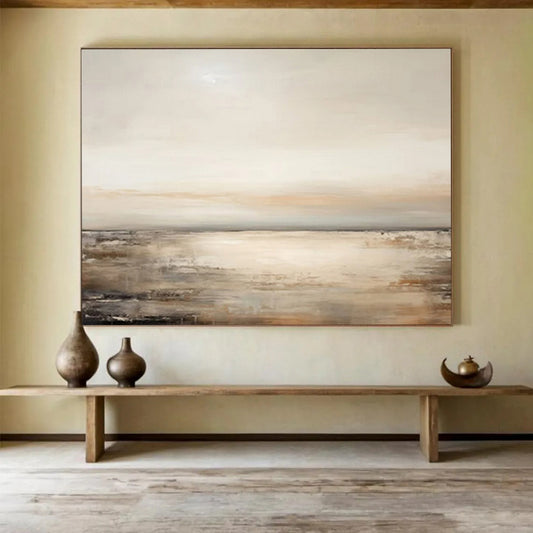
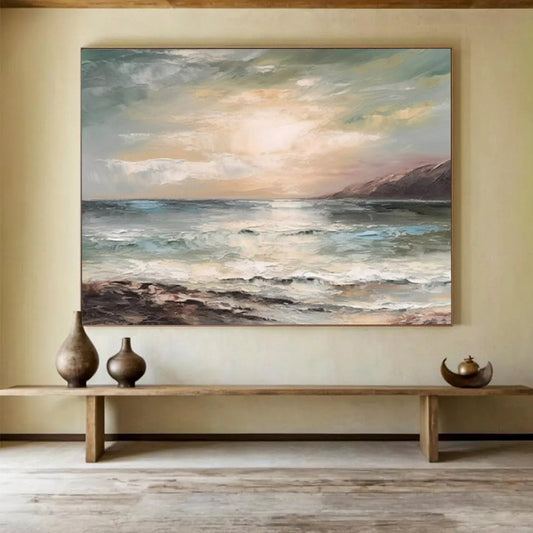
“Beige Sea Horizon” - Beige, gray, white; soft, muted seascape with gentle waves CT1572
Regular price From $219.00 USDRegular priceUnit price per$395.00 USDSale price From $219.00 USDSale -
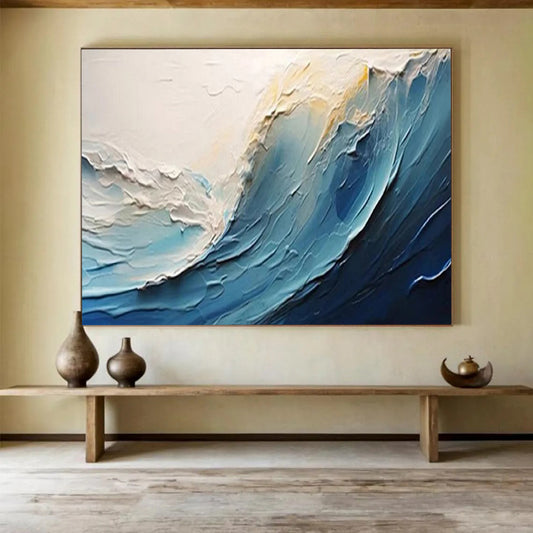
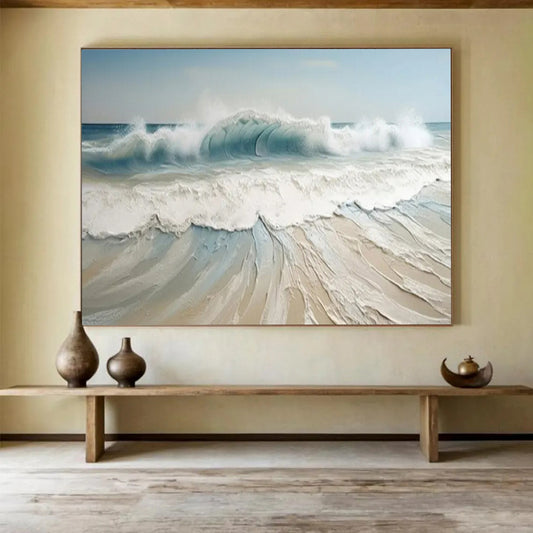
“Impasto Sea Wave” - Shades of blue, white, beige; thick - textured, impasto wave with a sense of movement CT1554
Regular price From $219.00 USDRegular priceUnit price per$395.00 USDSale price From $219.00 USDSale -

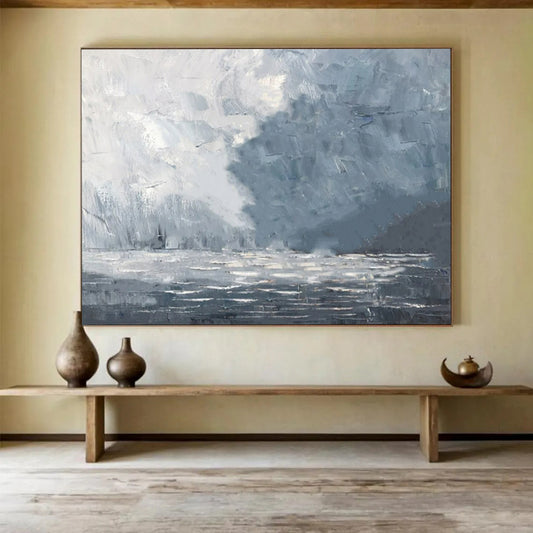
“Stormy Sea” - Shades of gray, white, blue; a dramatic, abstract stormy sea with choppy waves CT1550
Regular price From $219.00 USDRegular priceUnit price per$395.00 USDSale price From $219.00 USDSale -
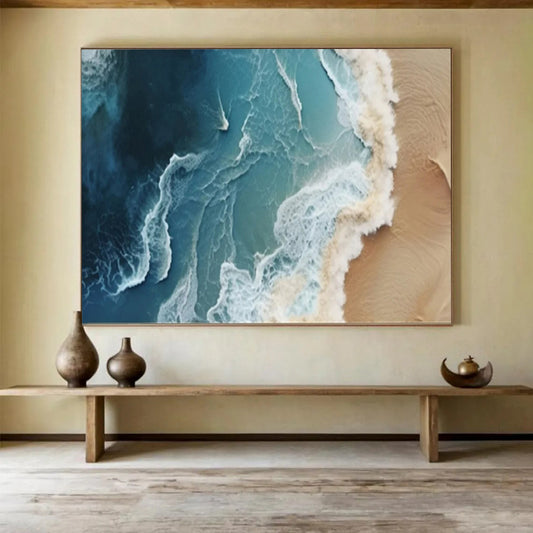
“Aerial Beach Waves” - Hues of blue, white, beige; aerial view of waves lapping against a sandy beach CT1549
Regular price From $219.00 USDRegular priceUnit price per$395.00 USDSale price From $219.00 USDSale -
“Muted Ocean Horizon” - Tones of gray, blue, beige; a soft, abstract ocean horizon with gentle waves CT1548
Regular price From $219.00 USDRegular priceUnit price per$395.00 USDSale price From $219.00 USDSale -
“Aerial Ocean Waves” - Shades of deep blue, turquoise, white; aerial view of intricate ocean wave patterns CT1547
Regular price From $219.00 USDRegular priceUnit price per$395.00 USDSale price From $219.00 USDSale -
“Sunset Ocean View” - Hues of blue, green, beige, and warm sunset tones; a soft, painterly ocean under a glowing sky CT1546
Regular price From $219.00 USDRegular priceUnit price per$395.00 USDSale price From $219.00 USDSale -
“3D Sea Wave” - Shades of blue, white, beige; thick - textured, three - dimensional wave crashing on the shore CT1545
Regular price From $219.00 USDRegular priceUnit price per$395.00 USDSale price From $219.00 USDSale -
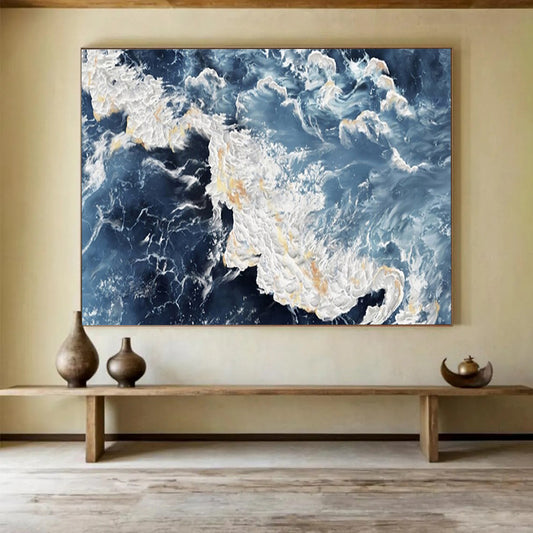
“Sea Splash” - Hues of dark blue, light blue, white, and gold; surging waves with golden glints in the spray CT1528
Regular price From $219.00 USDRegular priceUnit price per$395.00 USDSale price From $219.00 USDSale -
“Muted Seaside” - Greens, blues, soft grays; tranquil, realistic - leaning seascape CT1522
Regular price From $219.00 USDRegular priceUnit price per$395.00 USDSale price From $219.00 USDSale -
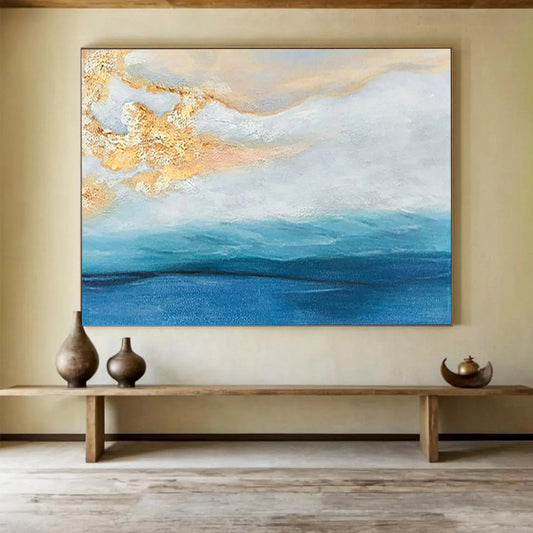
“Coastal Gleam” - Blues, whites, gold; fluid, seascape - inspired abstract forms CT1521
Regular price From $219.00 USDRegular priceUnit price per$395.00 USDSale price From $219.00 USDSale -
“Ocean’s Embrace” - Blues, whites; sweeping, fluid forms mimicking waves CT1498
Regular price From $219.00 USDRegular priceUnit price per$395.00 USDSale price From $219.00 USDSale -
“Oceanic Symphony” – Deep blues, whites, oranges with thickly painted, swirling fish CT1689
Regular price From $219.00 USDRegular priceUnit price per$395.00 USDSale price From $219.00 USDSale