
Blue Abstract Art: Contemporary Innovations and Global Influences
Blue abstract art, with its evocative power to symbolize depth, serenity, and the unknown, has transcended its early 20th-century roots to become a vibrant force in today's global art scene. While historical figures like Gabriele Münter laid foundational stones through exhibitions such as Contours of the World at the Guggenheim, contemporary interpretations expand this genre into digital realms, environmental commentary, and cross-cultural dialogues. This article explores blue abstract art from fresh angles: its fusion with technology, its role in addressing global issues, and its accessibility in modern markets. By examining emerging artists and innovative techniques, we uncover how blue continues to captivate, offering endless possibilities for emotional and intellectual engagement.
In the digital age, blue abstract art has evolved beyond traditional canvases into interactive and virtual experiences. Artists now harness software like Adobe Illustrator or generative AI tools to create fluid, ever-changing compositions. For instance, digital creators draw inspiration from Münter's bold blue landscapes but infuse them with algorithmic patterns that mimic ocean waves or cosmic expanses. This shift democratizes art, allowing amateurs to experiment via apps like Procreate, where layers of digital blues can be manipulated in real-time. Exhibitions increasingly feature NFT-based blue abstracts, where blockchain technology ensures authenticity while enabling global ownership. Such innovations echo the spiritual essence of Der Blaue Reiter, but with a futuristic twist, making blue a portal to virtual realities.
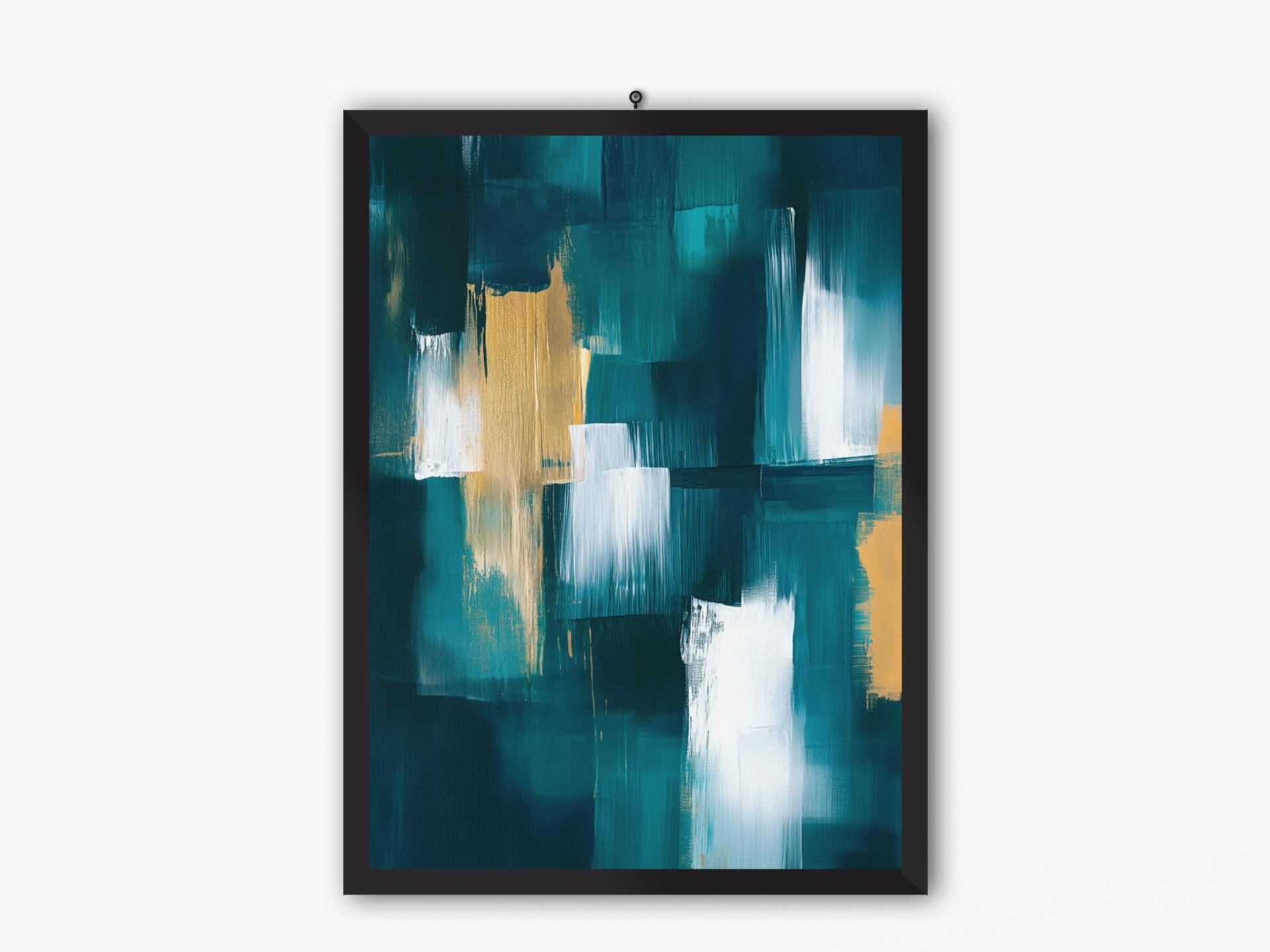
From a global perspective, blue abstract art reflects diverse cultural narratives, moving beyond Eurocentric origins. In Asia, artists like Japan's Yayoi Kusama incorporate blue in infinity nets and installations, blending abstraction with themes of mental health and infinity. Kusama's blue polka-dot realms, often set against oceanic hues, invite viewers into hypnotic spaces that challenge perceptions. Similarly, Indian-born Anish Kapoor uses ultramarine pigments in sculptures that create illusions of depth, as seen in his void series where blue absorbs light to symbolize the abyss. These works draw from Eastern philosophies, contrasting with Western expressionism by emphasizing meditation over emotion. African artists, such as Nigeria's Victor Ekpuk, infuse blue abstracts with symbolic scripts inspired by nsibidi writing, using azure tones to evoke ancestral waters and migration stories. This cross-cultural lens enriches the genre, showing blue as a universal language for unity and diversity.
Environmentally, blue abstract art serves as a poignant medium for climate advocacy. Artists leverage the color's association with water to highlight issues like ocean pollution and rising seas. Olafur Eliasson's installations, for example, use glacial blues in melting ice sculptures to visualize global warming's impact. Contemporary creators like Zaria Forman render hyper-realistic yet abstract blue icebergs in pastels, blurring lines between representation and abstraction to evoke urgency. In blue abstracts, swirling indigos might represent polluted waters, with embedded plastics or recycled materials adding texture and message. This angle transforms art into activism, inspiring viewers to reflect on humanity's relationship with the planet. Münter's early blue landscapes, capturing natural beauty, find new resonance here, urging preservation through aesthetic appeal.
The psychological and therapeutic dimensions of blue abstract art offer another fresh viewpoint. Color therapy posits blue as a calmer of minds, reducing anxiety and fostering creativity. In art therapy sessions, participants create blue abstracts to process emotions, with fluid forms symbolizing release. Hospitals and wellness centers incorporate large blue pieces to promote healing environments, drawing from Mark Rothko's color fields that induce contemplation. Modern apps even generate personalized blue abstracts based on mood inputs, blending art with mental health tech. This application extends the genre's introspective roots, making it a tool for personal growth in a stressful world.
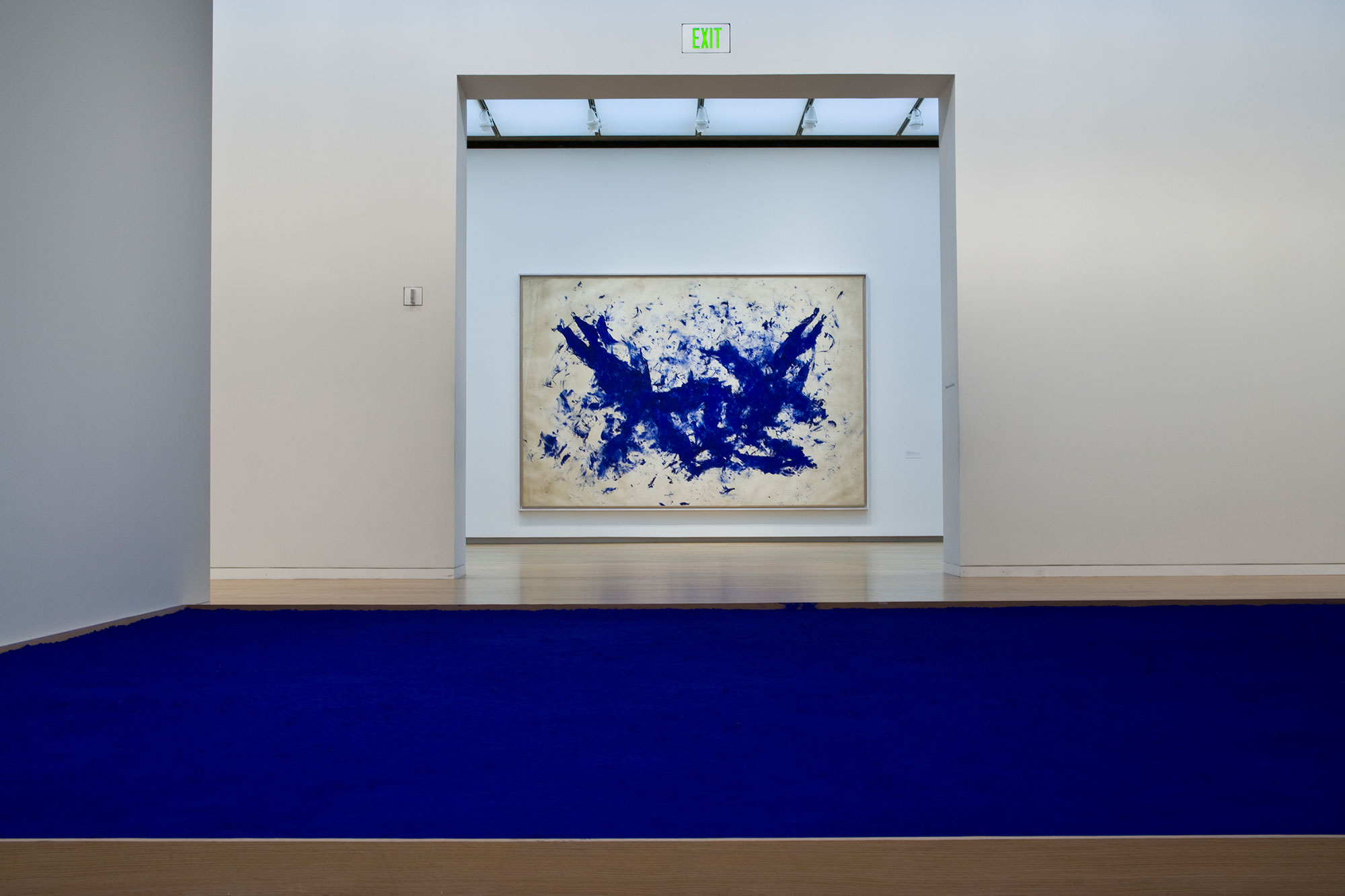
Techniques in contemporary blue abstract art blend tradition with innovation. While Münter used oil impasto for textured blues, today's artists employ resin pours for glossy depths or 3D printing for sculptural forms. Acrylics remain popular for their versatility, allowing gradients from turquoise to navy via blending mediums. Digital techniques involve fractal algorithms to create infinite blue patterns, as in generative art where code dictates flow. For DIY enthusiasts, start with canvas and blues: mix phthalo and ultramarine, apply with palette knives for ridges, or use alcohol inks for ethereal bleeds. Workshops often teach these, inspired by Yves Klein's IKB, encouraging experimentation with pigments for luminous effects.

In the commercial sphere, blue abstract art thrives in markets, from galleries to online platforms. Collectors value its versatility for home decor, where oversized pieces from Blue Abstract Painting add tranquility to spaces. These works, often hand-painted with textured layers, fit minimalist or bohemian aesthetics, enhancing rooms with calming vibes. Auction houses report rising prices for blue abstracts, with Klein's monochromes fetching millions due to their iconic status. Emerging markets in Asia and Africa boost global trade, with platforms like Saatchi Art enabling direct artist-buyer connections. This accessibility contrasts with early exclusivity, making blue abstraction a staple in corporate lobbies and private collections alike.
Culturally, blue abstract art influences media and design worldwide. Fashion houses like Dior use blue abstracts in prints, evoking Klein's voids for avant-garde collections. Films and video games employ blue motifs for atmospheric depth, as in sci-fi worlds with abstract blue interfaces. Music album covers, like those for ambient artists, feature blue gradients to convey mood. Social media amplifies this, with Instagram artists sharing blue abstracts that go viral, fostering communities around the genre.
Looking forward, blue abstract art promises further evolution through AI and sustainable materials. As climate concerns grow, bio-based blues from algae pigments could replace synthetics. Virtual galleries will immerse users in 360-degree blue worlds, expanding Münter's legacy into metaverses. Ultimately, this genre's adaptability ensures its enduring appeal, inviting all to explore its depths from myriad angles.
FAQ
What makes blue abstract art contemporary?
Contemporary blue abstract art integrates technology, global cultures, and environmental themes, evolving from historical roots like Expressionism into digital and interactive forms.
How does culture influence blue abstract art?
Artists from Asia, Africa, and beyond infuse blue with local symbols, such as Kusama's infinity or Ekpuk's scripts, creating diverse interpretations.
Can blue abstract art aid mental health?
Yes, its calming properties make it ideal for therapy, with creations helping process emotions and installations promoting relaxation.
Where to find blue abstract paintings for sale?
Online collections like Blue Abstract Painting offer affordable, large-scale options for decor.
Tips for creating digital blue abstracts?
Use tools like Procreate or AI generators; layer blues with gradients and effects for depth, experimenting with fractal patterns.
Role in environmental art?
Blue abstracts often depict water-related issues, using recycled materials to raise awareness about climate change and pollution.


