
Delcy Morelos to Stage Major Commission at Barbican in London
Colombian artist Delcy Morelos, renowned for her immersive, earth-based installations that explore humanity's connection to the natural world, is set to unveil her most ambitious outdoor work yet at the Barbican Centre in London. Announced in December 2025, this major public commission marks Morelos's first in the United Kingdom and will transform the Barbican's Sculpture Court into a thought-provoking space from May 15 to July 31, 2026. Titled as part of the Barbican's spring program, the installation promises to blend organic materials like soil, clay, spices, and plants into an oval-shaped pavilion measuring around 78 feet in circumference. This project not only highlights Morelos's signature approach to materiality and ecology but also invites visitors to reflect on themes of resilience, interconnectedness, and the planet's fragile ecosystems. As global conversations around environmental sustainability intensify, Morelos's work arrives at a pivotal moment, bridging cultural divides through art that speaks to universal human experiences.
Delcy Morelos, born in 1967 in Tierralta, Córdoba, Colombia, has emerged as one of Latin America's most compelling contemporary artists. Her background in a region marked by conflict and natural abundance profoundly shapes her practice, which often incorporates soil and other earthly elements to evoke themes of violence, healing, and renewal. Morelos studied fine arts at the Universidad de Cartagena and later honed her skills in Bogotá, where she began experimenting with installations that challenge traditional notions of sculpture. Her breakthrough came with works like Cielo de Tierra (Earth Sky, 2019), exhibited at the Dia Art Foundation in New York, where vast mounds of soil filled gallery spaces, creating labyrinthine environments that immersed viewers in sensory experiences. Morelos's art draws from indigenous Colombian traditions, such as the use of clay in rituals, while engaging with global discourses on decolonization and ecology. She has been recognized with awards like the Pérez Prize in Public Art & Civic Design (2024) and ARTnews's Established Artist of the Year (2024), cementing her status as a force in international contemporary art.
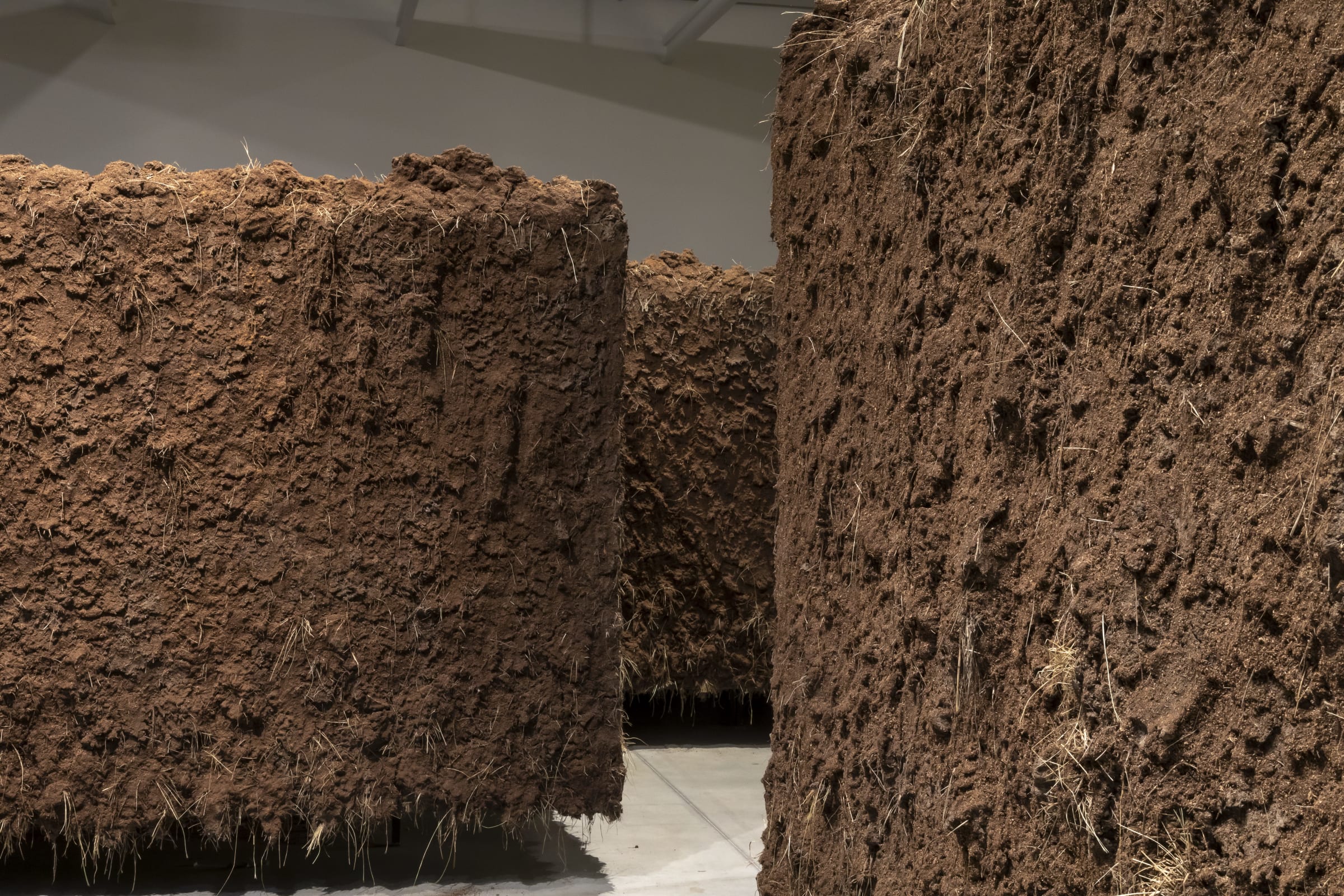
The Barbican commission represents a bold expansion of Morelos's scale and context. Situated in the Brutalist architecture of the Barbican's outdoor Sculpture Court—a space known for hosting site-specific works by artists like Yayoi Kusama and Richard Serra—the installation will take the form of an ovular pavilion constructed from natural materials. Morelos envisions it as a living entity, where soil, clay, spices, and plant matter converge to create a structure that evolves over time. The spices will infuse the air with scents, while plants may grow or wither, symbolizing life's cycles. This organic approach echoes her previous pieces, such as El abrazo (The Embrace, 2023) at the Venice Biennale, where soil walls enveloped viewers in a womb-like enclosure, prompting reflections on birth, death, and environmental degradation.
Themes of resilience and human-earth relationships are central to the work. Morelos draws inspiration from the Pacific and Amazonian regions, where indigenous communities have long stewarded the land amid colonial exploitation. In interviews, she speaks of soil as a metaphor for memory and trauma: "Earth holds the history of violence but also the potential for regeneration." This resonates with London's diverse population and the Barbican's commitment to inclusive programming. Curator Shanay Jhaveri, who oversees the commission, describes it as "a poetic intervention that invites us to reconsider our place within the natural world." The pavilion's oval shape may evoke cycles of life, encouraging visitors to walk around or through it, fostering a sense of participation rather than passive observation.
Morelos's choice of materials is deliberate and multifaceted. Soil and clay, sourced sustainably, reference ancestral building techniques in Colombia, while spices like cacao and cloves add aromatic layers that engage the senses beyond sight. This multisensory aspect aligns with contemporary art trends seen in works by artists like Olafur Eliasson, who incorporate environmental elements to heighten awareness. The installation's temporary nature—lasting just over two months—mirrors the ephemerality of ecosystems, urging urgency in environmental discourse. In a world grappling with climate change, Morelos's work serves as a gentle yet powerful reminder of humanity's interdependence with the planet.
The commission is part of the Barbican's broader spring lineup, which emphasizes global voices and site-specific art. Founded in 1982 as part of the Barbican Estate—a post-war utopian complex—the Centre has a history of ambitious outdoor projects, such as Ibrahim Mahama's textile installations in 2024. Morelos's piece builds on this legacy, transforming the concrete courtyard into an organic oasis. The Barbican's press release notes that the work will be free to the public, aligning with its mission to democratize art access. Educational programs, including talks and workshops, will accompany the exhibition, exploring themes of ecology and cultural heritage.
Morelos's international trajectory has accelerated in recent years. Her participation in the 2022 Venice Biennale, where she represented Colombia with soil-based sculptures, garnered acclaim for addressing land rights and violence. Exhibitions at institutions like the Dia Art Foundation in New York and the Museo Nacional Thyssen-Bornemisza in Madrid have solidified her reputation. Critics praise her for blending materiality with conceptual depth, drawing comparisons to Ana Mendieta's earth-body works and Joseph Beuys's social sculptures. In London, this commission introduces her to a new audience, potentially sparking collaborations with UK-based artists exploring similar themes, like Heather Phillipson.
The project's environmental ethos is timely. As urban centers like London face climate challenges, Morelos's use of biodegradable materials promotes sustainability. The spices, evoking global trade routes, subtly critique colonialism's legacy, tying into discussions at forums like COP conferences. For Morelos, art is a tool for healing: "By working with earth, I connect to the wounds of the land and seek to mend them through creation."
This commission also reflects shifting dynamics in the art world. Latin American artists like Morelos are gaining prominence in Europe, challenging Eurocentric narratives. The Barbican's choice amplifies underrepresented voices, aligning with initiatives like the Tate Modern's focus on global south perspectives. For visitors, the installation offers a respite from city hustle, a space for contemplation amid concrete.
As anticipation builds, Morelos's Barbican debut promises to be a landmark event. Her ability to transform humble materials into profound statements ensures the work will resonate long after its dismantling. In an era of disconnection, her pavilion invites reconnection—with nature, history, and each other.
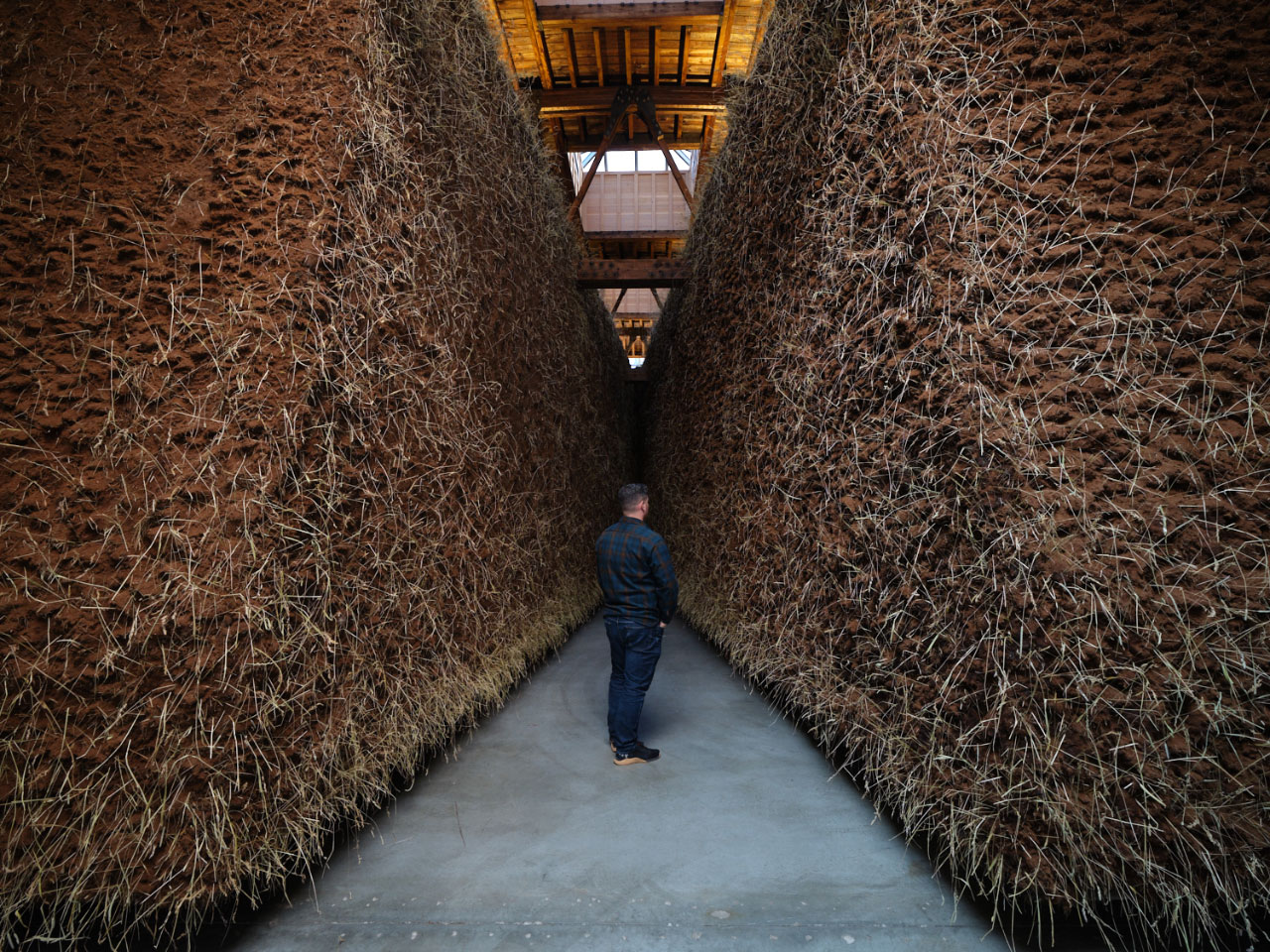
Morelos's process involves extensive research into materials' cultural significance. For instance, clay in Colombian indigenous traditions symbolizes creation, while spices reference the spice trade's exploitative history. This layered approach enriches the installation, making it a site for dialogue.
The Barbican's Sculpture Court, with its Brutalist backdrop, contrasts Morelos's organic forms, heightening the work's impact. Previous commissions, like Francis Alÿs's 2023 piece, have drawn crowds, suggesting strong attendance for this one.
Morelos's awards underscore her rising profile. The 2024 Pérez Prize recognized her public art contributions, while ARTnews's accolade highlighted her innovation. Her work at the Aichi Triennale in 2022, Horizonte, similarly used earth to explore horizons and boundaries.
In London, the commission could inspire environmental activism, tying into movements like Extinction Rebellion. By making art accessible, the Barbican fosters inclusivity, potentially attracting diverse audiences.
As Morelos prepares for this milestone, her practice reminds us of art's transformative power. From Tierralta's soils to London's concrete, her work bridges worlds, urging us to listen to the earth's stories.
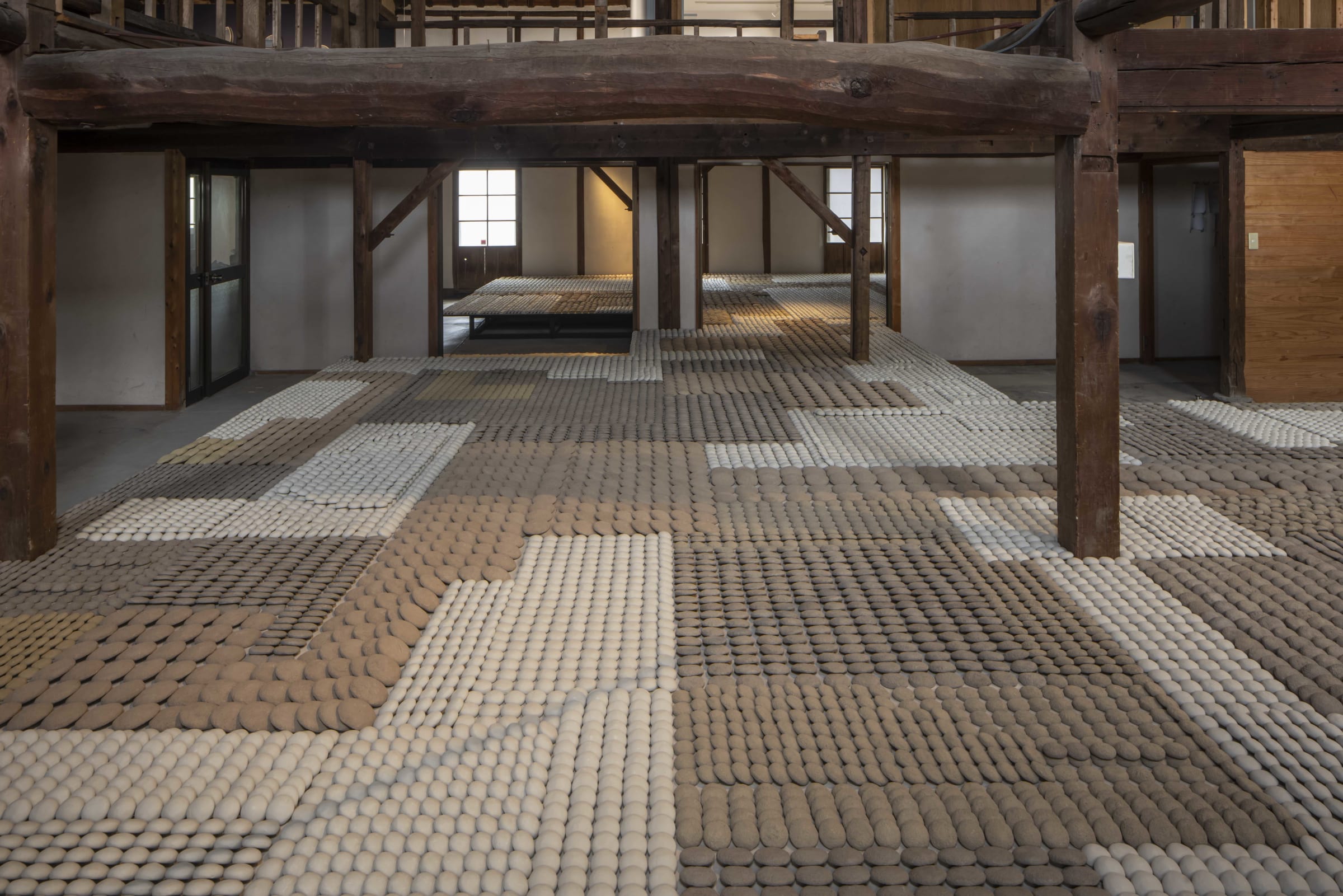
The installation's evolution—plants growing over time—adds dynamism, encouraging repeat visits. This living quality distinguishes Morelos from static sculptors, aligning her with eco-art pioneers like Agnes Denes.
For the art world, this commission signals Latin America's growing influence. Morelos joins peers like Doris Salcedo in redefining global narratives through material poetry.
In conclusion, Delcy Morelos's Barbican project is more than an installation—it's a call to reconnect with our planet. As it takes root in London, it promises to bloom into a cultural touchstone.
Morelos's portrait reveals a thoughtful artist, her gaze reflecting the depth in her work. Her influences include Colombian folklore and global ecology, blending local and universal.
The Barbican's commitment to free access ensures broad impact, potentially inspiring future commissions. As 2026 approaches, anticipation grows for this earthen marvel.

FAQ
Who is Delcy Morelos?
Delcy Morelos is a Colombian artist born in 1967, known for earth-based installations exploring ecology, violence, and resilience.
What is the Barbican commission?
It's an oval-shaped pavilion made of soil, clay, spices, and plants, measuring 78 feet in circumference, on view May 15–July 31, 2026, in the Sculpture Court.
Why is this her first UK project?
Morelos has exhibited internationally, including at Venice Biennale and Dia Art Foundation, but this marks her debut public commission in the UK.
What themes does the work explore?
It addresses humanity's relationship to the planet, cycles of life, decolonization, and environmental regeneration.
How does it fit into the Barbican's program?
The commission is part of the spring lineup, emphasizing global voices and site-specific art in the outdoor space.


