
Textured Black and White Abstract Wall Art: The Timeless Power of Monochrome Texture in Modern Interiors
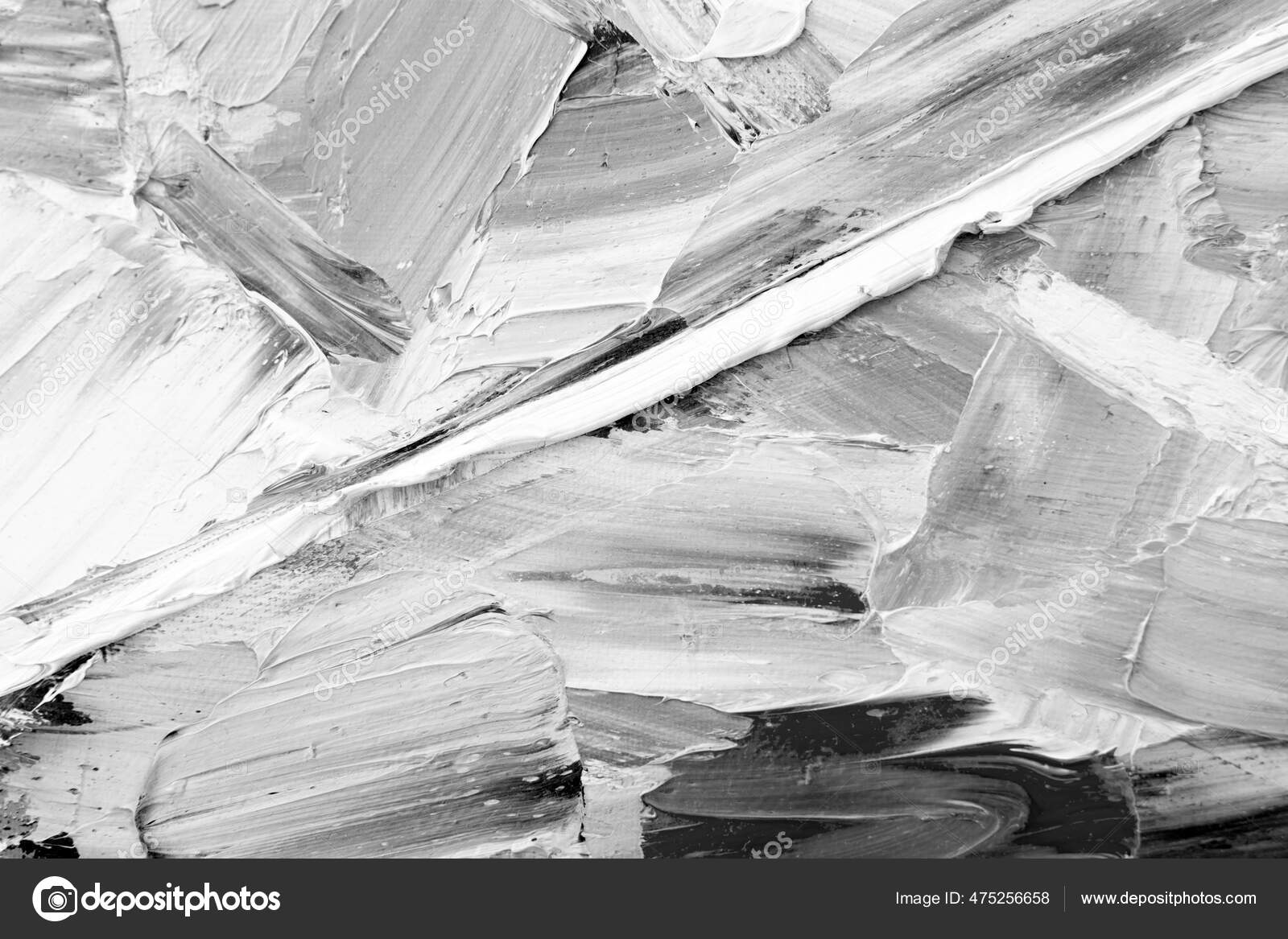
In an age of visual overload, textured black and white abstract wall art offers a rare combination of restraint and drama. By stripping away color, these works force the eye to focus on form, gesture, light, and surface. When texture is added—through thick impasto, carved ridges, layered plaster-like applications, or bold knife marks—the paintings gain a physical presence that flat prints and smooth canvases simply cannot match.
Large-scale textured black and white abstracts have become a favorite among interior designers and homeowners who want sophistication without clutter. They complement minimalist, contemporary, industrial, and even transitional spaces with equal ease. This guide explores the appeal of the style, its historical roots, practical advice for choosing and displaying these works, and why Black And White Wall art remains one of the most versatile and enduring choices for modern walls.

The Enduring Appeal of Black and White Abstraction
Black and white abstraction has a distinguished history. In the mid-20th century, artists such as Franz Kline created powerful, large-scale gestural paintings using only black paint on white grounds (or the reverse). These works emphasized the energy of the brush or knife stroke itself. The absence of color heightened the impact of every mark, turning painting into a form of pure visual architecture.
Today’s textured black and white abstracts continue this tradition while expanding the vocabulary of surface. Artists build up layers of acrylic, oil, or mixed media so that light rakes across raised edges and deep recesses. The result is a surface that changes throughout the day: soft and almost sculptural in diffused light, dramatically high-contrast under directional lighting. This interaction with light is one of the primary reasons textured monochrome works feel so alive in contemporary interiors.
Why Texture Transforms Monochrome Art
Without texture, a black and white painting risks looking flat or purely graphic. Texture introduces:
- Physical dimension – The surface becomes something you almost want to touch.
- Light play – Highlights and shadows shift as the viewer or the light source moves.
- Emotional range – Heavy, dense textures can feel bold and architectural; softer, more irregular textures feel organic and contemplative.
- Visual complexity – From a distance the work reads as strong graphic shape; up close it reveals intricate detail.
This dual experience—impact from afar and discovery up close—makes textured black and white abstracts especially effective as focal points.

Key Styles of Textured Black and White Abstract Wall Art
Several distinct approaches dominate the current market:
- Heavy Impasto and Palette-Knife Works – Thick ridges and peaks of black or white paint create dramatic topography. These pieces feel energetic and almost sculptural.
- Geometric Relief and Carved Surfaces – Clean shapes combined with raised or recessed areas produce a more architectural, minimalist effect.
- Gestural and Calligraphic Marks – Sweeping black strokes across a white or off-white ground (or the reverse) echo the energy of Abstract Expressionism while remaining contemporary.
- Layered and Mixed-Media Textures – Artists combine paint with plaster, modeling paste, or other materials to build complex, tactile surfaces that reward close inspection.
- Subtle Tonal Variations – Soft transitions between black, charcoal, gray, and pure white create atmospheric depth without strong contrast.
All of these styles benefit from larger scale. Texture that might appear decorative on a small canvas becomes architectural when the painting spans four, five, or six feet.
How Textured Black and White Abstracts Enhance Modern Living Spaces
These artworks excel in modern interiors for several practical and aesthetic reasons:
- They provide strong contrast against light walls without introducing competing colors.
- They pair effortlessly with both warm and cool neutral palettes (beige, gray, taupe, cream).
- They allow furniture, textiles, and accessories in any color to stand out.
- They create a sense of calm sophistication rather than visual noise.
- In open-plan spaces they help define zones without the need for additional walls or screens.
Designers frequently place large textured black and white pieces above sofas, fireplaces, or long console tables. The monochrome nature makes them unusually flexible when a room’s color scheme evolves over time.
Choosing the Right Piece for Your Room
Begin with accurate wall measurements. A painting that occupies roughly two-thirds the width of the furniture below it usually creates the most balanced composition. Consider ceiling height as well—very tall walls can support larger vertical formats or multi-panel arrangements.
Evaluate the existing contrast in the room. If the space already contains strong dark furniture or architectural elements, a painting with more white and subtle texture may feel lighter. If the room is predominantly light, a predominantly black textured work can provide welcome weight and drama.
Lighting is critical. Textured surfaces come alive under raking light. Plan for picture lights, adjustable track lighting, or simply observe how natural light moves across the wall during the day before making a final decision.
Where to Find High-Quality Textured Black and White Abstract Wall Art
Specialized online collections now make it easy to source handmade, large-scale works in this style. One of the strongest dedicated selections is the Black And White Wall art collection at AbstractXL, which emphasizes textured, impasto, and abstract pieces designed for modern interiors.
Additional sources for oversized monochrome and textured abstracts include established large-format art specialists that offer handmade canvases with strong surface interest. When purchasing, look for clear information about materials, texture technique, and professional packaging for large or heavy works.
Practical Decorating Tips
- Hang the center of the artwork at approximately 57–60 inches from the floor for comfortable viewing.
- Allow the painting room to “breathe.” Crowding it with too many smaller objects diminishes its impact.
- Pair textured black and white art with natural materials—wood, linen, stone, leather—to reinforce a sense of tactile richness.
- In rooms with patterned rugs or upholstery, the simplicity of black and white helps calm the overall composition.
- For very wide walls, consider a single panoramic piece or a carefully spaced diptych or triptych that maintains visual cohesion.
Caring for Textured Black and White Paintings
Dust gently with a soft, dry brush or microfiber cloth, working carefully around raised areas. Avoid water, cleaning sprays, or abrasive materials. Protect the work from prolonged direct sunlight, which can cause uneven fading over many years. For heavily textured or mixed-media pieces, professional advice is recommended if deeper cleaning ever becomes necessary.
Conclusion
Textured black and white abstract wall art proves that limitation can be a source of strength. By removing color and emphasizing surface, these works deliver clarity, drama, and lasting sophistication. Whether the texture is bold and sculptural or quiet and atmospheric, a well-chosen piece can anchor a modern living room, hallway, or studio with quiet authority.
Explore current collections of Black And White Wall art, measure your walls carefully, and select a work whose interplay of light, shadow, and surface feels personal. The result will be art that remains compelling long after more colorful trends have faded.
FAQ: Textured Black and White Abstract Wall Art
Why choose textured black and white art instead of colorful abstracts? Monochrome works provide strong visual impact without competing with existing furniture or textiles. Texture adds the complexity that color would otherwise supply, creating depth and interest through light and shadow alone.
Are these paintings suitable for small rooms? Yes. A thoughtfully scaled textured black and white piece can make a smaller room feel more intentional and spacious by providing a clear focal point against a light wall.
How important is lighting for textured works? Extremely important. Directional or raking light reveals the three-dimensional quality of the surface. Even natural light moving across the painting throughout the day creates ongoing visual interest.
Can black and white abstracts work with warm-toned interiors? Absolutely. The neutrality of black and white allows them to complement both warm (beige, wood, terracotta) and cool (gray, blue-gray) palettes with equal success.
What size works best above a standard sofa? A painting that measures approximately two-thirds the width of the sofa generally creates the most balanced and professional appearance. Leave 6–12 inches of wall space on either side.
Do heavily textured pieces require special hanging hardware? Larger or heavily built-up works can be heavier than standard canvases. Use appropriate wall anchors and consider professional installation for very large or weighty pieces.
How do I clean a textured black and white painting? Use only a soft, dry microfiber cloth or a clean, soft brush. Avoid liquids and commercial cleaners. For valuable or deeply textured works, consult a professional conservator if more thorough cleaning is ever needed.
Where can I find quality textured black and white abstract wall art? Dedicated collections such as the Black And White Wall art selection at AbstractXL offer handmade, textured options specifically suited to modern interiors, with a focus on strong surface quality and contemporary abstract styles.
Textured black and white abstract wall art remains one of the most elegant and adaptable choices available to anyone seeking lasting sophistication on their walls. Its combination of graphic strength and tactile richness continues to prove that sometimes the most powerful statements are made in the simplest palette.


