
Exploring the Depth: The Allure and Creation of Textured Abstract Painting
Textured Abstract Painting is a captivating form of artistic expression that goes beyond flat surfaces, inviting viewers to not only see but also feel the artwork through layers of depth and dimension. By incorporating physical textures—such as raised impasto strokes, embedded materials, or sculpted surfaces—this style transforms abstract art into a tactile experience. Unlike traditional flat paintings, textured abstracts play with light and shadow, evolving with the viewer's perspective and the room's lighting. This genre has surged in popularity in contemporary interiors, offering a dynamic way to personalize spaces while evoking emotions through non-representational forms. Whether you're a seasoned artist or a beginner looking to experiment, creating textured abstract art can be a therapeutic process that blends creativity with spontaneity.
The origins of textured abstract painting can be traced back to early 20th-century modernism, where artists began pushing the boundaries of traditional canvas work. Pioneers like Vincent van Gogh employed thick, swirling brushstrokes in works such as Starry Night (1889), laying the groundwork for impasto techniques that would influence abstract artists. In the mid-20th century, the Abstract Expressionist movement amplified this, with figures like Jackson Pollock dripping and splattering paint to create layered, textured surfaces that emphasized the physical act of creation. Pollock's Number 1A, 1948 exemplifies how texture can convey energy and chaos without literal forms. Similarly, Willem de Kooning used palette knives to build up aggressive, textured layers in his abstract works, blending figuration with pure abstraction.
As the century progressed, artists like Jean Dubuffet introduced "Art Brut" influences, incorporating raw materials like sand and gravel into paintings for gritty textures. His series Texturologies (1950s) featured soil-like surfaces that challenged polished aesthetics. In the 1960s and 1970s, Minimalism and Process Art further evolved textures, with artists like Eva Hesse using latex and fiberglass for sculptural abstractions. Today, textured abstract painting draws from these roots while integrating modern innovations, such as mixed media and digital inspirations, making it accessible for home decorators and professional artists alike.
Creating your own textured abstract painting starts with gathering the right materials. Essential supplies include a sturdy canvas or wood panel, as these provide a stable base for heavy layers. Acrylic paints are ideal for beginners due to their quick drying time and versatility, but oils offer richer depth for advanced users. To build texture, stock up on mediums like modeling paste or gel mediums (e.g., Liquitex Matte Super Heavy Gel), which can be mixed with paint or applied alone for raised effects. Tools such as palette knives, scrapers, brushes of varying stiffness, sponges, and even household items like old credit cards or combs are crucial for manipulating surfaces. For added dimension, incorporate found objects: sand, fabric scraps, beads, or natural elements like leaves and twigs. Don't forget protective gear—a drop cloth, gloves, and an apron—to handle the inevitable mess. Finally, set the mood with inspiring music or ambient sounds to fuel your creative flow.
The process of crafting a textured abstract painting is inherently intuitive, allowing for experimentation without rigid rules. Begin by preparing your workspace: Lay down a protective covering and play some uplifting tunes to relax. Sketch a loose composition if desired, but remember abstraction thrives on freedom—let colors and forms emerge organically.
Step 1: Prime the Surface. Apply a base layer of gesso or white acrylic paint to your canvas. While wet, mix in gel medium or modeling paste in select areas to create initial texture. Use a palette knife to spread it unevenly, forming peaks and valleys. Let this dry partially for a tacky surface that grips subsequent layers.
Step 2: Build Layers with Color. Choose a color palette inspired by nature, emotions, or your home decor—perhaps cool blues and greens for serenity or vibrant reds and oranges for energy. Apply paint in broad strokes using brushes or knives. For impasto effects, load your tool heavily and press firmly to create raised ridges. Experiment with blending: Dab with a sponge for soft transitions or scrape with a stir stick for linear textures.
Step 3: Incorporate Mixed Media. To enhance tactility, embed materials while the paint is wet. Sprinkle sand for a gritty feel, press fabric pieces for patterned imprints, or glue on beads for focal points. Use unconventional tools like bottle caps to stamp circles or branches to drag lines, adding randomness and interest.
Step 4: Add Depth and Corrections. Layer additional colors, allowing some to dry before applying others to prevent muddiness. If an area feels off, spray with water from a mist bottle to soften and rework it. Gently sand raised areas with fine-grit sandpaper to reveal underlying hues, creating a sense of history and complexity.
Step 5: Refine and Finish. Step back frequently to assess balance. Add metallic accents like gold leaf for shimmer, or glaze with a thin wash for subtle shifts. Once satisfied, seal with a varnish to protect the textures. Frame simply to let the artwork shine, perhaps with a floating frame that emphasizes the edges.
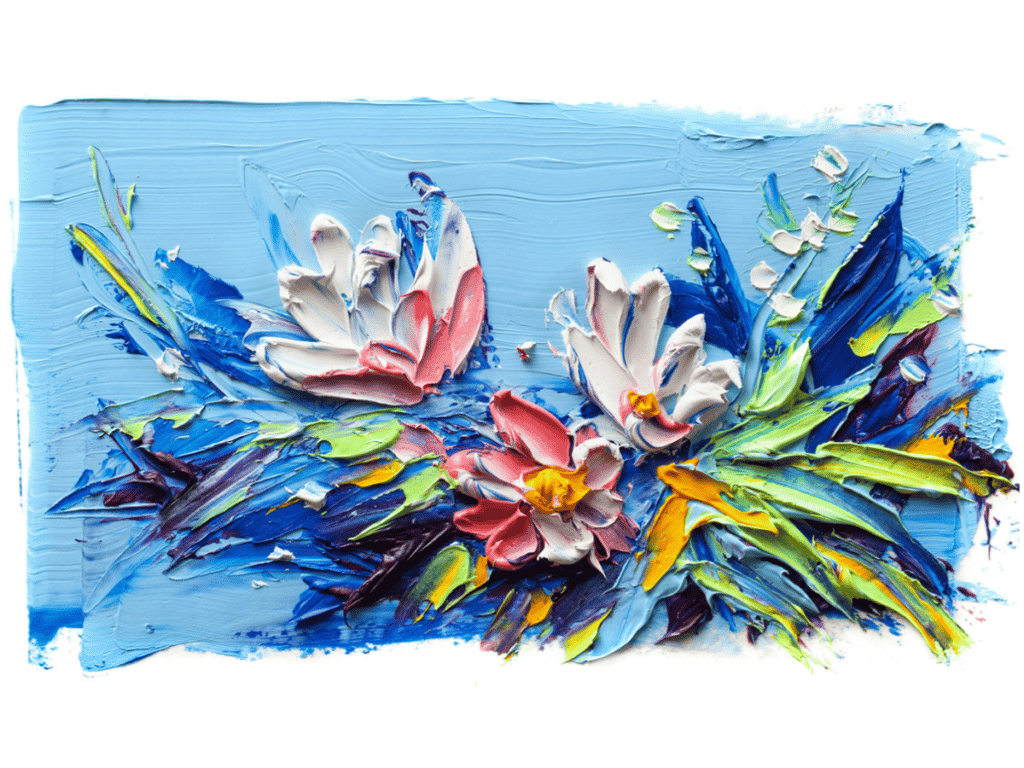
Contemporary artists are redefining textured abstract painting with innovative approaches. For instance, Anselm Kiefer incorporates straw, ash, and lead into massive canvases, evoking post-war landscapes with raw, earthy textures. Julie Mehretu's layered abstractions use architectural drawings overlaid with gestural marks and acrylic builds, creating chaotic yet structured depths. Emerging talents like Christine Krainock blend impasto with palette knife work in pieces like her peacock-inspired abstracts, where thick, jewel-toned layers mimic feathers' iridescence. In the digital age, artists experiment with 3D printing to add precise textures, or mix resin for glossy, sculpted effects that catch light dramatically.
The appeal of textured abstract painting lies in its versatility for interiors. These works add visual intrigue to minimalist spaces, where shadows from textures create ever-changing patterns. In homes, they serve as statement pieces above fireplaces or in hallways, drawing the eye and sparking conversation. Market-wise, textured abstracts are booming, with platforms like Saatchi Art reporting increased sales due to their unique, one-of-a-kind nature. Collectors value the handmade quality, often paying premiums for pieces with embedded narratives or sustainable materials. For DIY enthusiasts, creating these paintings is cost-effective—basic supplies cost under $50—and therapeutic, reducing stress through mindful layering.
However, challenges exist: Overworking layers can lead to cracking, so patience in drying times is key. Beginners might fear "ruining" a piece, but remember, abstraction forgives mistakes—simply paint over and evolve. Environmentally, opt for low-VOC paints and recycled materials to minimize impact.
In essence, textured abstract painting bridges the gap between two-dimensional art and sculpture, offering endless possibilities for expression. By embracing texture, artists and hobbyists alike can craft works that engage multiple senses, transforming ordinary spaces into immersive environments. Whether drawing from historical masters or personal intuition, this style encourages bold experimentation, proving that art is as much about the process as the product.

FAQ
What materials are essential for starting textured abstract painting?
Begin with a canvas, acrylic or oil paints, gel mediums like modeling paste, palette knives, and sponges. Add found items like sand or fabric for unique textures.
How does impasto differ from other texturing techniques?
Impasto involves thick paint application for raised surfaces, while other methods might use additives like gel or embedded objects for varied depths.
Can beginners create professional-looking textured abstracts?
Absolutely—focus on layering and experimentation. Tutorials on sites like Fine Art Tutorials provide step-by-step guidance to build confidence.
Why incorporate texture in abstract art?
Texture adds dimension, interacts with light, and evokes emotions, making the piece more engaging than flat abstracts. It also personalizes the artwork for home decor.
Where can I buy textured abstract paintings?
Explore collections on AbstractXL or galleries like Singulart, which feature handmade, textured works from global artists.


